How Do You Decorate a Studio Apartment?
Wondering how to furnish your studio apartment without it feeling cramped? This guide answers your questions with smart ideas for zoning, furniture, and deco...
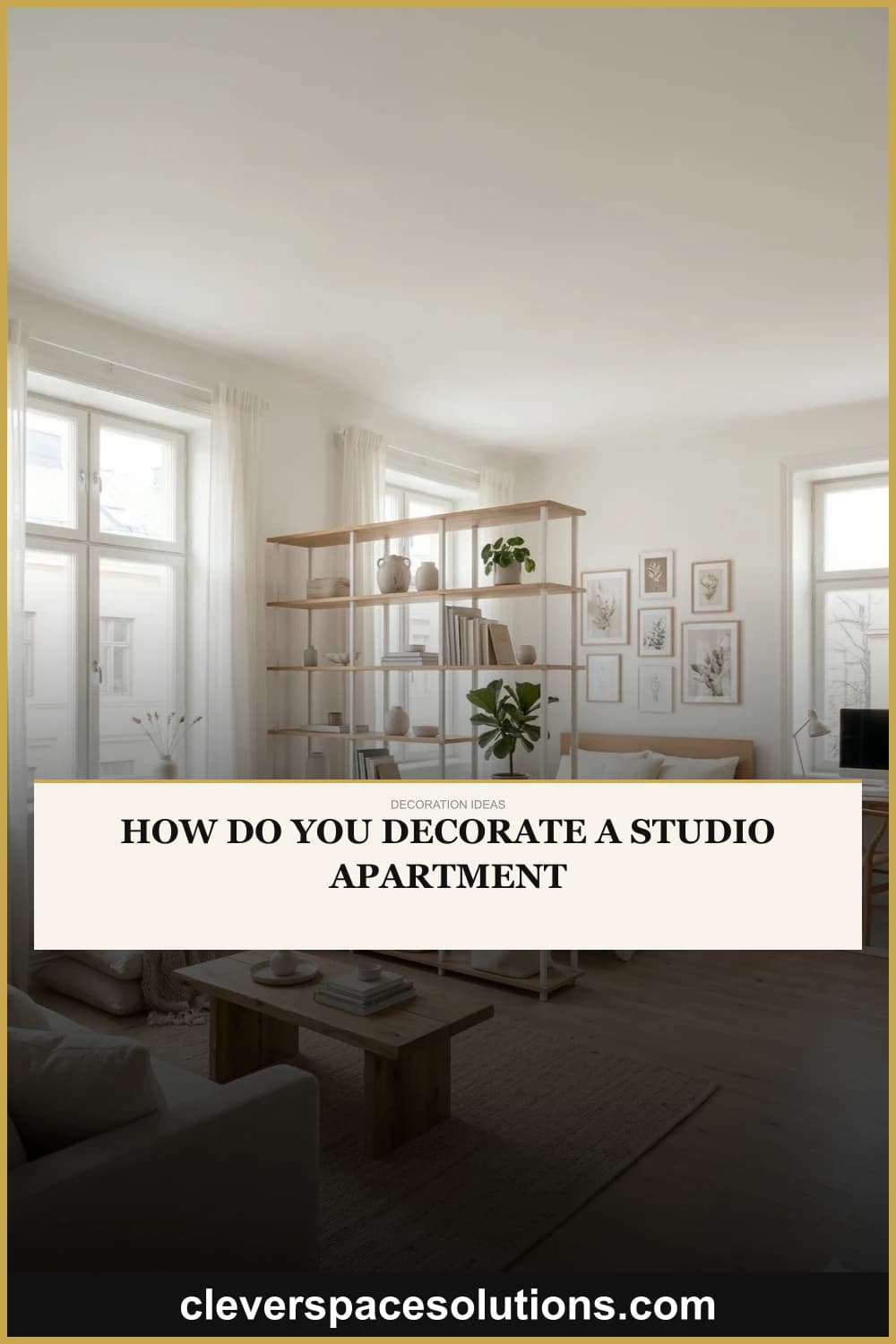
How Do You Decorate a Studio Apartment? A Complete Guide
Decorating a studio apartment comes down to one core principle: every decision should serve double duty. You need your space to feel like a home, not a storage unit with a bed in it. The good news? With the right furniture choices, a smart color palette, and a few clever layout tricks, a studio apartment can feel genuinely comfortable — even roomy.
TL;DR — Key Takeaways
- Light wall colors (white, beige, soft pastels) visually expand a small space by reflecting natural light.
- Multi-functional furniture — think storage ottomans, fold-out desks, and loft beds — is the single biggest upgrade you can make.
- Zone your space with rugs, bookshelves, or glass partitions instead of walls to define areas without blocking light.
- Minimalist styling isn't just an aesthetic — it's a practical necessity in a studio. Less clutter means more breathing room.
What is the indispensable apartment type for students, single people, or those who love living in small spaces? We know the first answer that comes to mind is the studio apartment. This apartment type, also known as a 1+0, offers a useful living space by combining the living room, bedroom, and kitchen — all the areas you need in an apartment — into a single room.
So, let's ask another question that can give you a more stylish home: how do you furnish a studio apartment well? In this article, we're sharing practical suggestions for anyone who lives in — or wants to move into — a studio apartment. Let's get into how studio apartment decoration actually works. For a deeper look at layout planning, check out our expert guide to studio apartment decoration.
1. Benefit from the Magic of Wall Color
Your space is limited, and you'll be combining different areas of a home within it. No matter how little furniture you use, the room can still feel narrow and crowded — unless your walls are working for you. Light-colored wall paints are one of the most effective tools you have. According to interior design research published by Apartments.com, light wall colors are consistently ranked as the top visual trick for making small spaces feel larger.
Tones like soft white, warm beige, or light pastels reflect natural and artificial light back into the room, which creates the perception of a more open space. Dark walls absorb light and visually shrink a room — so save those for an accent wall at most, if at all. A single, well-placed accent wall in a muted tone can add depth without making the room feel smaller.
Don't overlook your ceiling, either. Painting it the same color as your walls — or one shade lighter — removes the visual "box" effect that a stark white ceiling can create in a small room. It's a subtle change, but once you see it, you can't unsee it.
2. Make It Clear Where Each "Room" Is
We can almost hear you say, "But there's only one room!" You're right, but so are we. Because you need to separate the spaces where you sleep, sit, and eat — and you don't necessarily need a brick wall for that. Defined zones actually make a studio feel larger, not smaller, because your brain processes the space as multiple purposeful areas rather than one chaotic catch-all.
To separate areas, you can use a bookshelf, large plants, or even a low wooden divider. Painting sections of the wall in slightly different tones works too. But the most popular choice in recent years for dividing spaces without hurting room flow? Glass partitions — they define zones while keeping light moving freely through the entire apartment.

Rugs are another underrated zoning tool. A rug placed under your sofa and coffee table instantly defines the "living room" zone, even when your bed is just a few feet away. For tips on picking the right size and style, see our guide on choosing the right rug for small spaces.
3. Place Your Furniture Without Pushing It Fully Against the Wall
What's the instinct most people have when placing furniture in a small room? Push everything against the walls to free up floor space. It feels logical. But it actually works against you. Furniture floating slightly away from the wall creates a sense of depth, and that visual breathing room makes the entire room feel less cramped.
Pushing furniture flush against walls can cause the space to feel "locked in," like the walls are closing in on you. Instead, try pulling your sofa even 4–6 inches from the wall. Place a narrow console table behind it if you want. The gap creates a visual layer that reads as spaciousness. Position furniture like your sofa and bookshelf away from the wall — even slightly — and you'll notice the difference immediately.
This works especially well with the bed. A bed pushed into a corner with the headboard against the wall can make the sleeping zone feel like an afterthought. Centering it on a wall (with nightstands on at least one side) signals intentional design and makes the whole room feel more considered.
4. Large Items Are Not Suitable for Studio Apartments
If you've browsed studio apartment decoration examples before, you've likely noticed a pattern: the furniture is smaller, sleeker, and less imposing than what you'd find in a larger home. That's not an accident. Oversized furniture doesn't just take up floor space — it creates visual noise that makes the entire room feel chaotic and cramped.
Instead of large sofas with deep, traditional cushions, look for modern sofas with a minimalist design — clean lines, raised legs (which show floor space underneath), and a narrower profile. A loveseat or a compact two-seater often works better than a full three-seat sofa in a studio. The same logic applies to dining tables: a round table for two takes up far less visual and physical space than a rectangular four-seater.
When in doubt, measure twice before buying anything. Many people fall in love with a piece of furniture in a showroom, only to find it devours half their studio once it's inside. Know your floor plan measurements before you shop.
5. Multi-Functional Furniture is a Studio Apartment's Best Friend
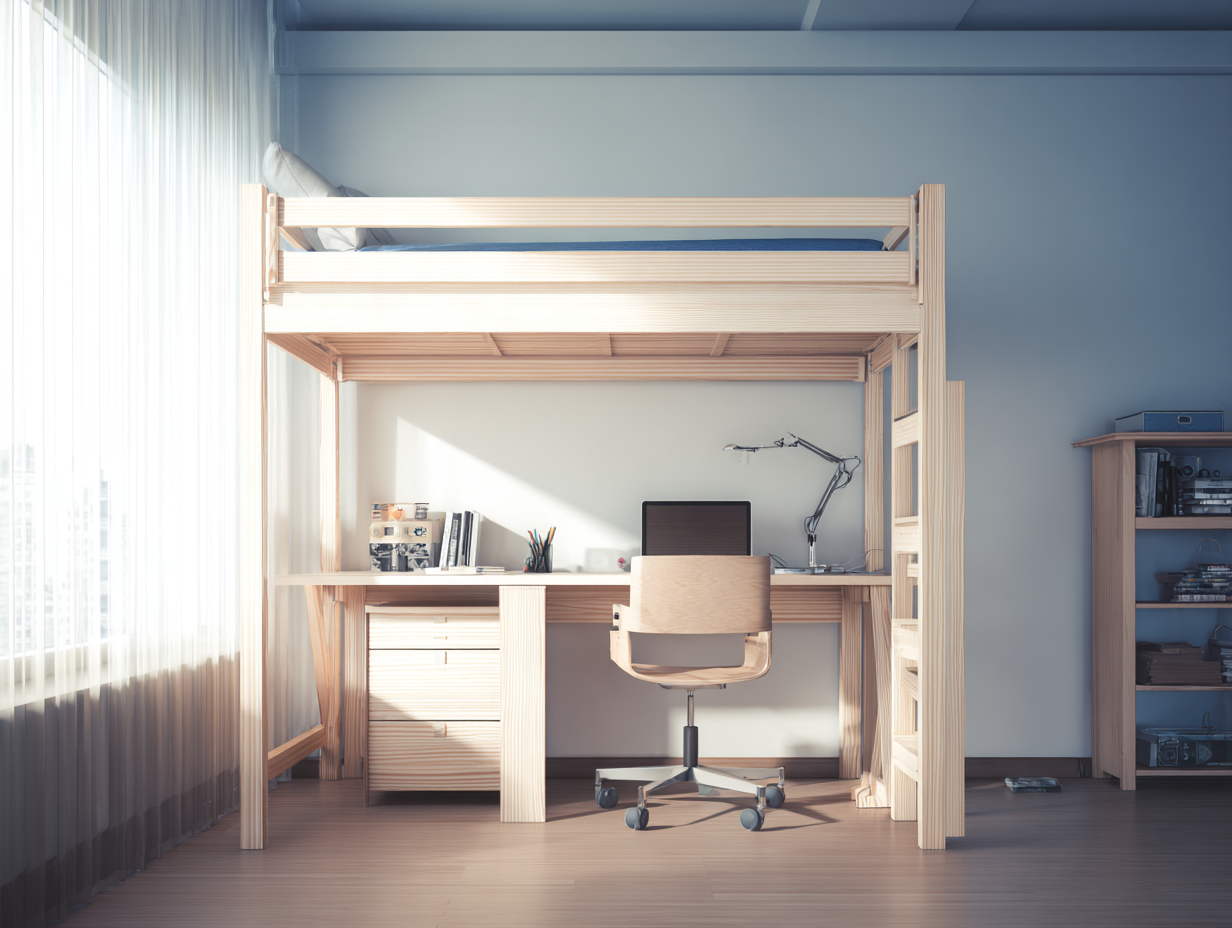
Furniture that combines a bed, desk, and wardrobe; bunk beds whose stairs double as a dresser; coffee tables with built-in storage — these aren't gimmicks. They're genuinely smart solutions. Using products with more than one function is essentially a non-negotiable for studio apartment decoration. Statista reports that the multi-functional furniture market has grown significantly in the past decade, driven largely by the surge in compact urban living.
Think about every piece of furniture you own and ask: does this do only one thing? If yes, consider whether there's a smarter version of it. An ottoman with internal storage replaces a coffee table and a storage box. A Murphy bed folds into the wall and frees your entire floor during the day. A dining bench with a hinged lid stores linens. These swaps compound quickly.
For more ideas on making every square foot count, read our article on making your home more functional.
6. Curtain and Rug Selection is as Important as Furniture
You took our suggestions into account when choosing your studio apartment furniture — but the rug or curtain you choose can undo all of that effort in an instant. Long, heavy drapes are not well-suited for a studio. They eat into precious floor-to-ceiling visual height and make a small room feel closed off. For rugs, aim for models that are as pattern-free as possible, light in color, and appropriately sized — not too small (which looks awkward) and not too large (which overpowers the room).

Roller blinds are an excellent curtain alternative — their clean, minimal structure doesn't compete with the rest of your décor, and they let you control light precisely. Thin, kilim-style rugs add texture and warmth without overwhelming the space. If you want a patterned rug, keep the pattern small-scale and low-contrast. Big, bold patterns on a small floor area create visual chaos.
7. Minimalist Decoration is Your Savior
In studio apartment design, the spaces that look and feel best share a few things in common: there are no unnecessary items on display, every piece of furniture earns its place, and simplicity drives every decision. That's minimalist decoration — and in a studio, it's not just an aesthetic preference. It's a practical strategy.
Minimalism doesn't mean bare or cold. It means intentional. You can have warm textiles, personal artwork, and meaningful objects — just not all of them, all at once, in one small room. Edit ruthlessly. If something doesn't serve a function or bring genuine joy, it doesn't belong in a studio apartment. The payoff is a home that feels calm, open, and purposeful rather than cluttered and stressful.
The Biggest Studio Apartment Decorating Mistakes
Most studio decorating problems come from the same handful of errors. Knowing what they are before you start saves you a lot of wasted money and frustration. These aren't obscure mistakes — they're the ones that show up in nearly every poorly decorated studio apartment.
Buying furniture that's too big is the most common. People see a sofa they love, forget to check dimensions, and end up with a piece that crowds the entire room. Always measure your space before shopping — and then measure again at the store before buying.
Ignoring vertical space is the second big mistake. Walls that go up 8 or 9 feet but only have furniture at ground level waste enormous potential. Tall bookshelves, wall-mounted storage, and high-hanging curtain rods (hung near the ceiling rather than the window frame) all draw the eye upward and make the room feel taller.
Using too many competing colors or patterns creates visual noise. Stick to a cohesive palette of two or three tones, then introduce interest through texture — think linen cushions, a woven throw, or a rough clay vase — rather than pattern. It keeps the room feeling coordinated without looking like a furniture catalog.
Skipping proper lighting is also a frequent misstep. Overhead lighting alone flattens a space. Layer your lighting: a ceiling fixture for ambient light, a floor lamp or table lamp for warmth, and task lighting at your desk or kitchen counter. A well-lit studio feels significantly larger and more livable than an identical space with a single ceiling bulb.
Studio Apartment Decoration Styles That Actually Work
Not every interior style translates well to a studio. Some aesthetics that look beautiful in large homes become overwhelming — or just impractical — when compressed into 400 square feet. These are the styles that consistently work well in studio apartments, and why.
Scandinavian (Nordic) style is one of the most natural fits for studio living. It combines functionality with clean visual lines, a neutral color palette, and a strong emphasis on natural light. The "form follows function" ethos of Scandinavian design means every piece of furniture has a purpose — exactly what a studio needs.
Japandi — a blend of Japanese and Scandinavian design principles — is equally well-suited. It prioritizes simplicity, natural materials, and negative space. In a studio, "negative space" (empty, uncluttered areas) is a feature, not a failure. Japandi embraces that.
Modern minimalist style pairs well with studio living for obvious reasons: it celebrates simplicity and discourages accumulation. Clean lines, a restrained color palette, and high-quality basics over quantity make this style both practical and visually elegant in a compact space.
Bohemian style can work in a studio, but it requires discipline. The boho aesthetic leans toward layering — textiles, plants, art, objects — and in a small space, that layering can tip into clutter quickly. If you love the look, commit to one or two statement pieces (an oversized plant, a woven wall hanging) rather than the full maximalist version.
If Your Apartment is Very Small, Pay Attention to These!
Thanks to the decoration suggestions we've shared, you can create a more useful and spacious-looking living area. But what if your studio apartment is particularly small — say, under 300 square feet — and you want to squeeze every last bit of visual and functional space out of it? These ideas go a step further and are worth applying immediately.
-
Light Colors: Since they reflect light, light colors make areas look larger. Choose light-colored furniture for zones like the kitchen, bedroom, and living room. Use decorative pillows, artwork, or small accent pieces to introduce contrast without overwhelming the space. Staying in the same tonal family throughout the apartment creates a seamless, expanded feel.
-
Mirrors: Mirrors reflect both light and depth, which is why they're one of the oldest tricks in the small-space playbook. A large mirror on a focal wall can effectively double the perceived size of a room. You don't need to cover every wall — a single, well-placed oversized mirror is often all it takes. Position it across from a window to amplify natural light.
-
Lighting: Proper lighting is critical for making a small space feel open and alive. Rely on more than just ceiling lights. Use floor lamps and wall sconces to illuminate corners that overhead lighting misses. Warm-toned bulbs (2700–3000K) create a cozy, inviting atmosphere, while cooler-toned bulbs (4000K+) make a space feel brighter and more awake — useful for work areas.
-
Vertical Storage: When floor space runs out, go up. Floating wall shelves, tall wardrobes, and pegboard systems on kitchen walls all use vertical space that would otherwise sit empty. This approach keeps surfaces clear — which is essential in a very small apartment — while maximizing storage capacity significantly.
Frequently Asked Questions
How do you make a studio apartment feel like a home?
The key is layering personal touches on top of a functional base. Start with practical furniture, then add warmth through textiles (throw blankets, cushions), soft lighting, and a few meaningful objects — a plant, a framed photo, a piece of art you love. According to Apartments.com, defined zones and consistent color palettes are the top two factors that make a studio feel intentional and homey rather than transitional.
What furniture is essential for a studio apartment?
At minimum, you need a bed (or sleeper sofa), a seating area, a dining surface, and storage. The essentials become powerful when they're multi-functional: an ottoman that stores linens, a dining table that doubles as a desk, a loft bed with shelving underneath. Prioritize pieces with raised legs — they show floor underneath, which visually opens the space. Everything else is secondary to those core four functions.
How do I add personality to a studio apartment without clutter?
Choose one or two statement pieces that reflect your taste — a bold piece of wall art, a unique lamp, a patterned throw — and keep everything else restrained. Swap quantity for quality and intention. A single large plant makes more impact than five small ones. One large framed print reads more powerfully than a dozen small ones. The goal is curated, not empty. Edit what you display seasonally to keep the space feeling fresh.
Is it better to have light or dark colors in a studio apartment?
Light colors are generally better for small studios because they reflect light and create a sense of openness. Whites, warm beiges, soft grays, and light pastels all work well as primary wall and furniture colors. Dark colors can work as accents — a dark headboard, a charcoal throw pillow, a deep green plant pot — but using them as a dominant color in a small space tends to make it feel heavier and more enclosed than it actually is.
How much does it cost to furnish a studio apartment?
Furnishing a studio apartment from scratch in the US typically costs between $3,000 and $10,000, depending on quality and sourcing. Budget setups using secondhand furniture and affordable retailers can come in under $2,000. Mid-range furnishing with quality multi-functional pieces tends to run $4,000–$7,000. Investing in a few high-quality anchor pieces (a good bed, a sturdy sofa) and filling in the rest more affordably is a strategy that consistently delivers the best long-term value.
More from Studio & Small Apartment
Layout, decor, and life in studio and small apartments.
How to Decorate a Studio Apartment: An Expert's Guide
8 min read
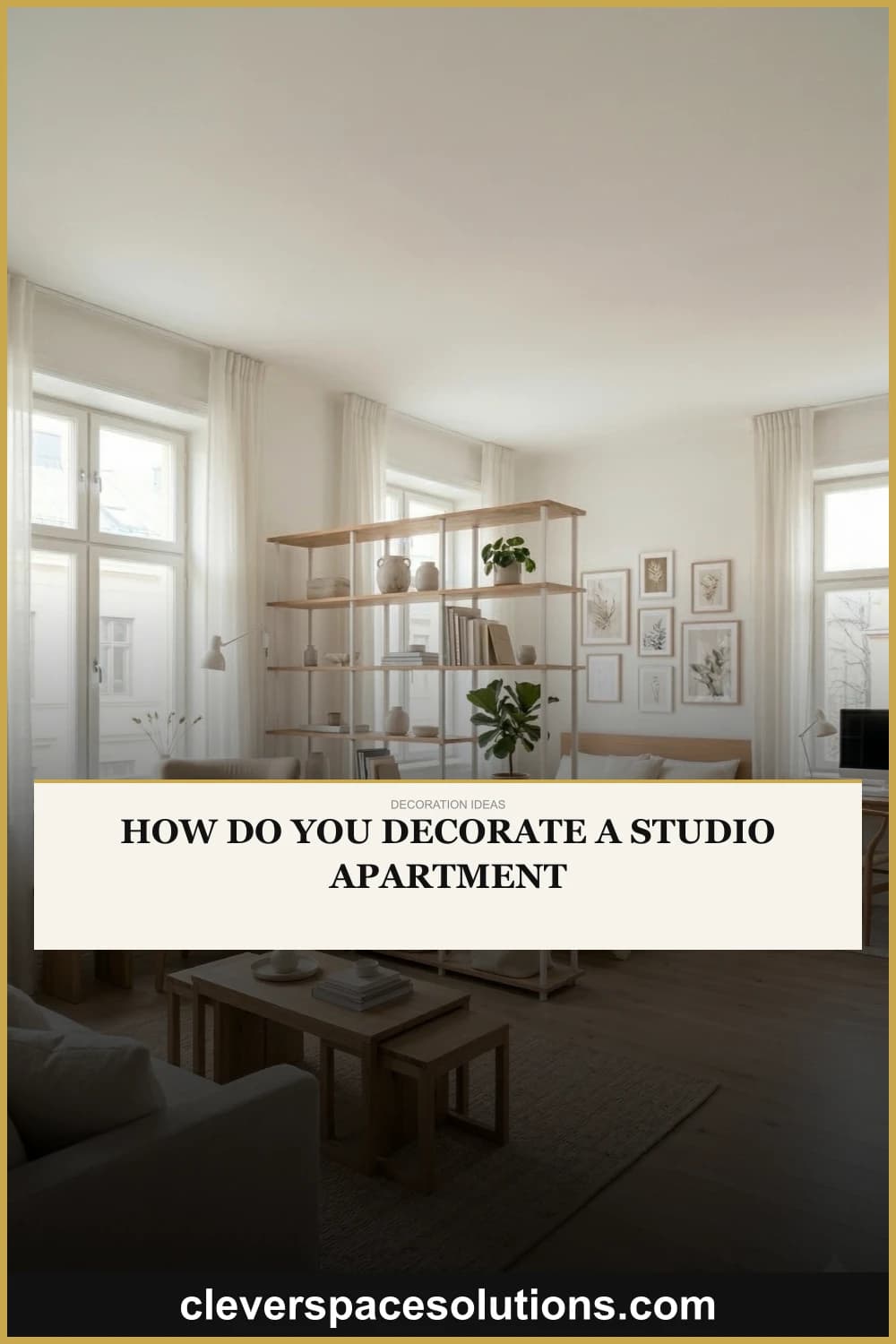
How Do You Decorate a Studio Apartment?
10 min read

The Art of Studio Living: Your Complete Guide
10 min read
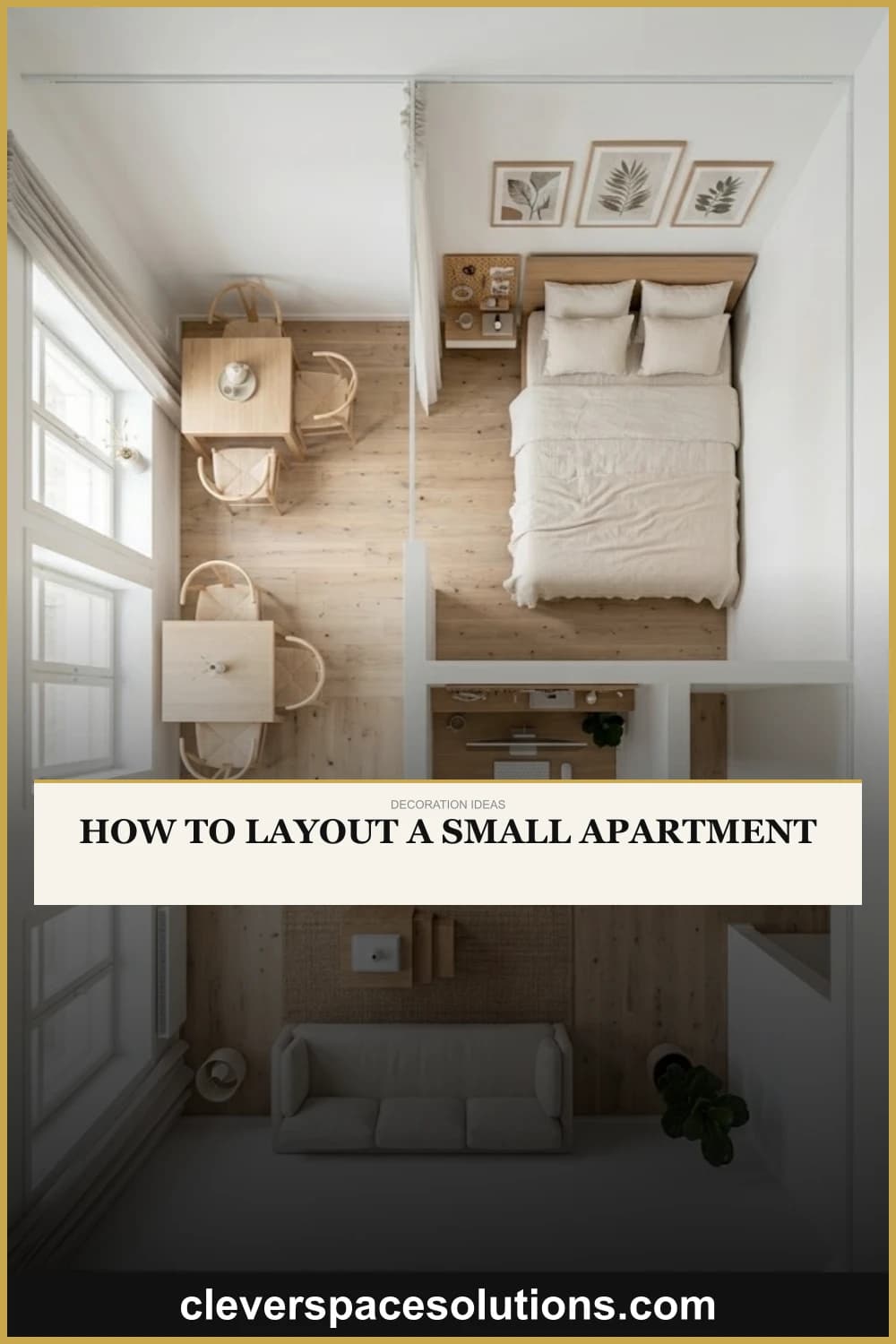
How to Layout a Small Apartment?
25 min read
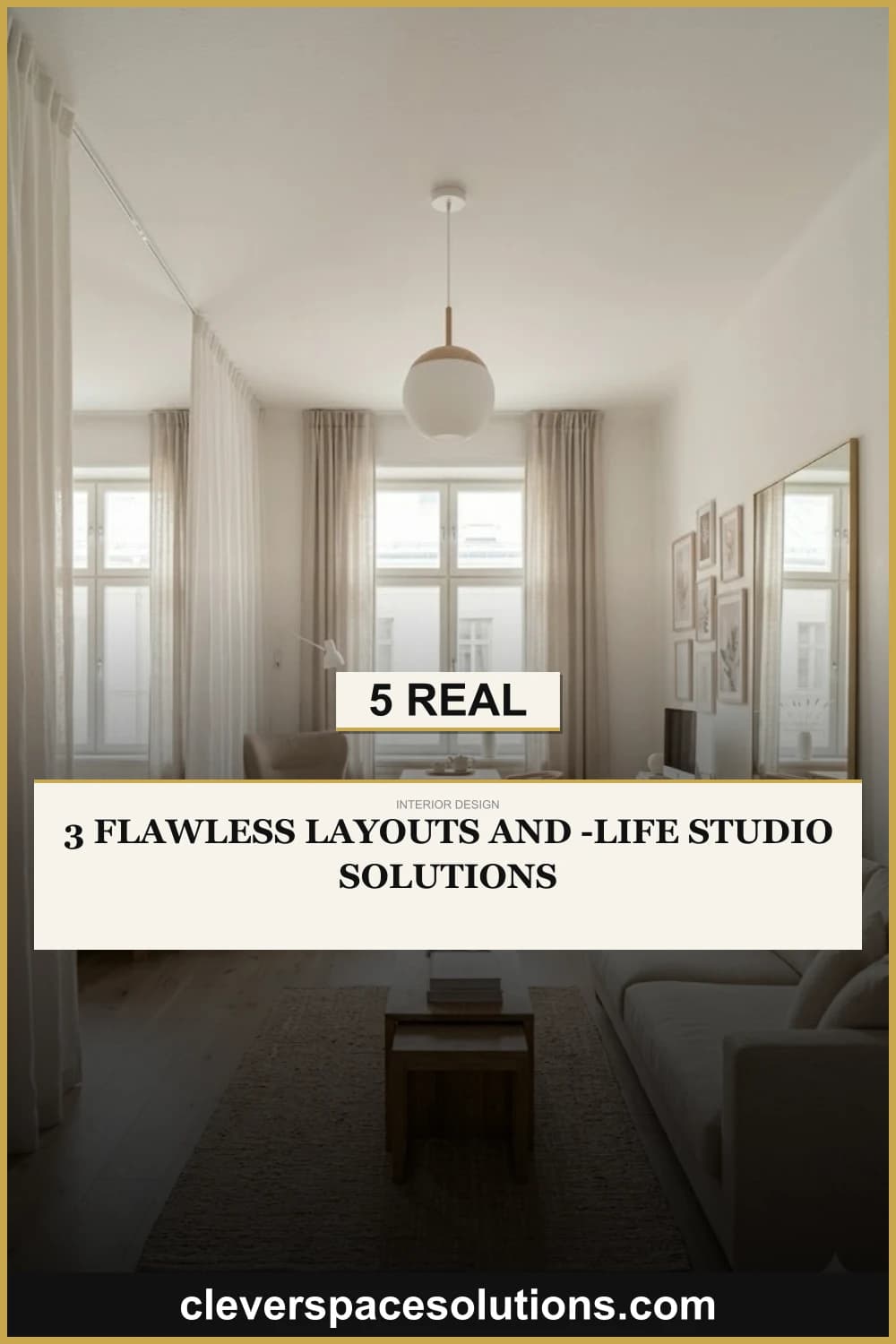
3 Flawless Layouts and 5 Real-Life Studio Solutions
21 min read
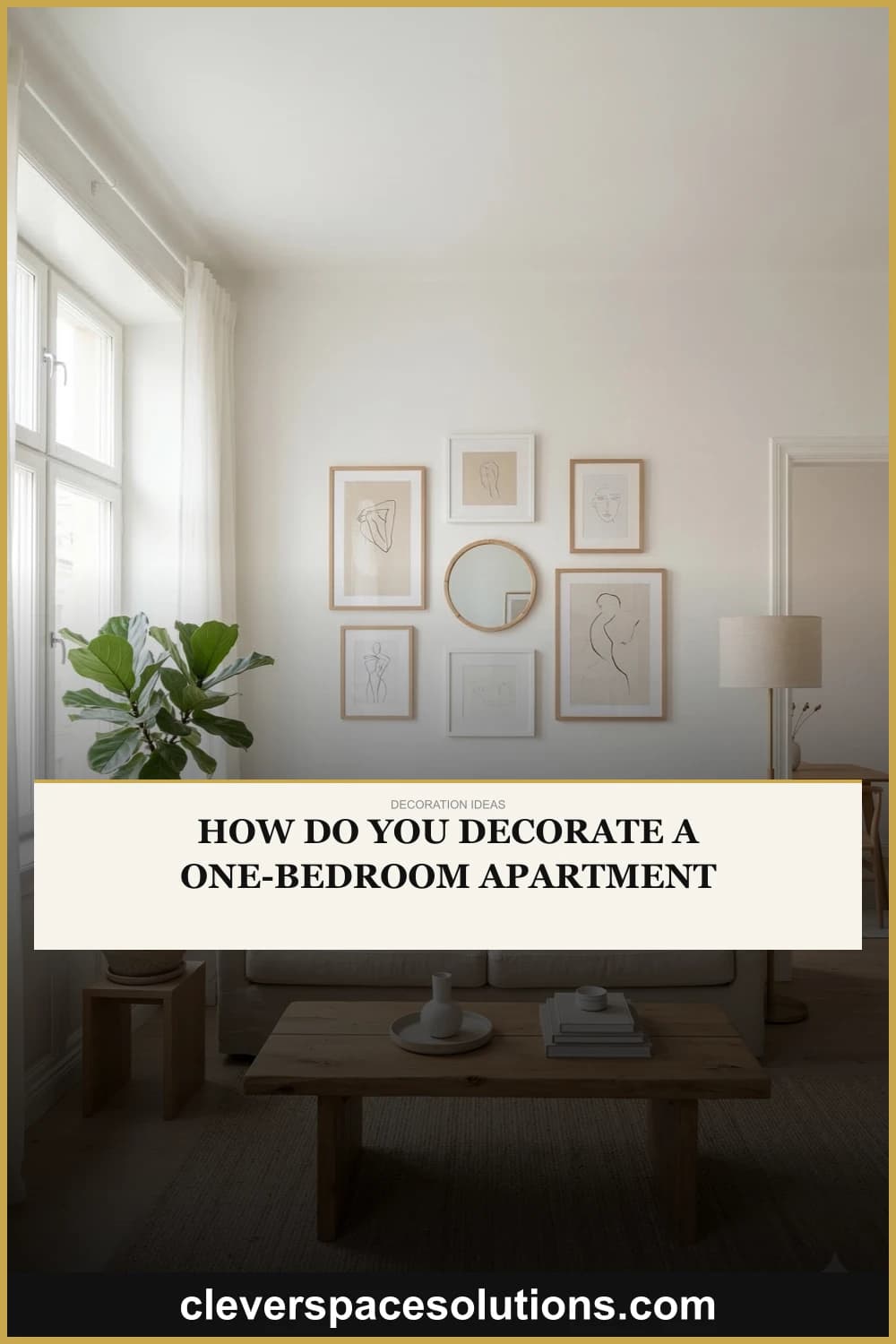
How Do You Decorate a One-Bedroom Apartment?
18 min read
Affiliate Disclosure
Some links on this page are affiliate links. If you purchase a product through these links, I may earn a small commission at no additional cost to you. Thank you for your support!
Tags

Written by Joesp H.
Interior Design & Small Space Living Specialist
Former marketing manager turned full-time home optimizer. After living in 7 homes ranging from 450 to 2,000 sq ft, I started CleverSpaceSolutions to help people create organized, functional spaces on real budgets.
Other Articles
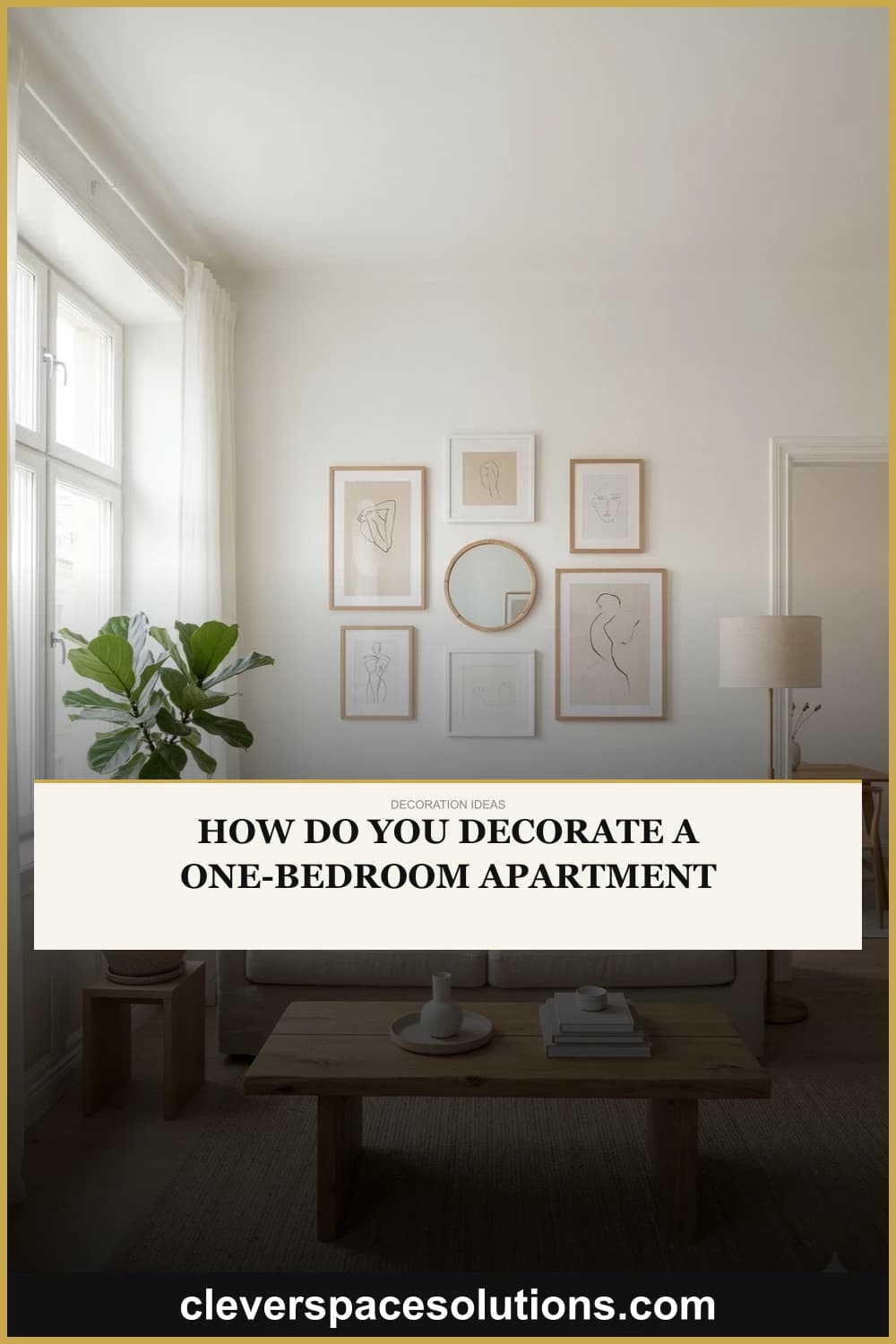
How Do You Decorate a One-Bedroom Apartment?
Wondering how to make the most of your one-bedroom apartment? This guide answers your questions with smart ideas for furniture, layout, and storage to create...

The Art of Studio Living: Your Complete Guide
Wondering how to furnish your studio apartment without it feeling cramped? This comprehensive guide answers your questions on zoning, furniture, and decor, h...
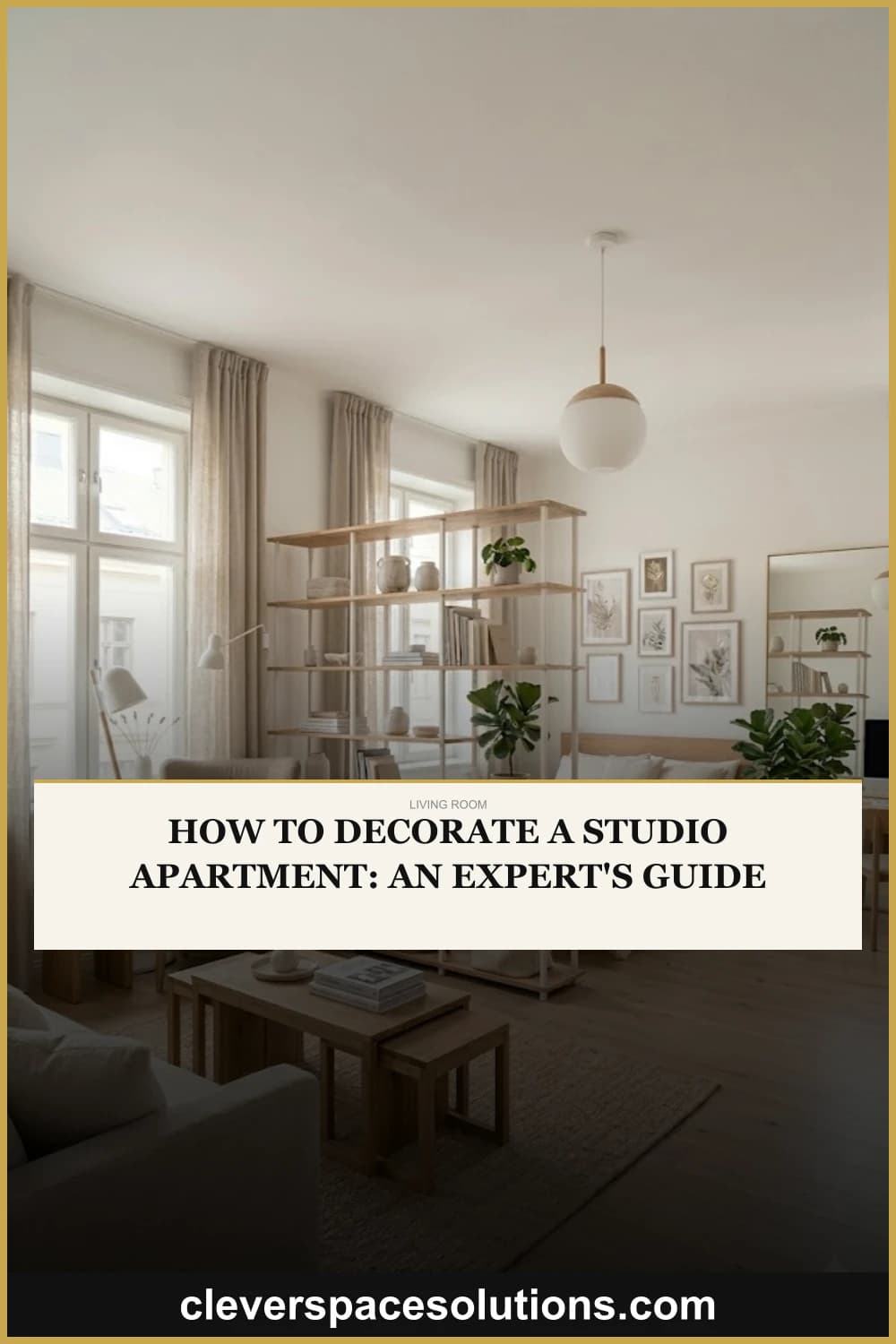
How to Decorate a Studio Apartment: An Expert's Guide
Wondering how to make your studio feel bigger and more functional? This expert guide answers with pro tips on layout, furniture, storage, and style.