How Do You Decorate a Room with No Windows?
Wondering how to make a windowless room feel bright and inviting? This guide answers your questions with clever decor tricks for lighting, mirrors, and color...
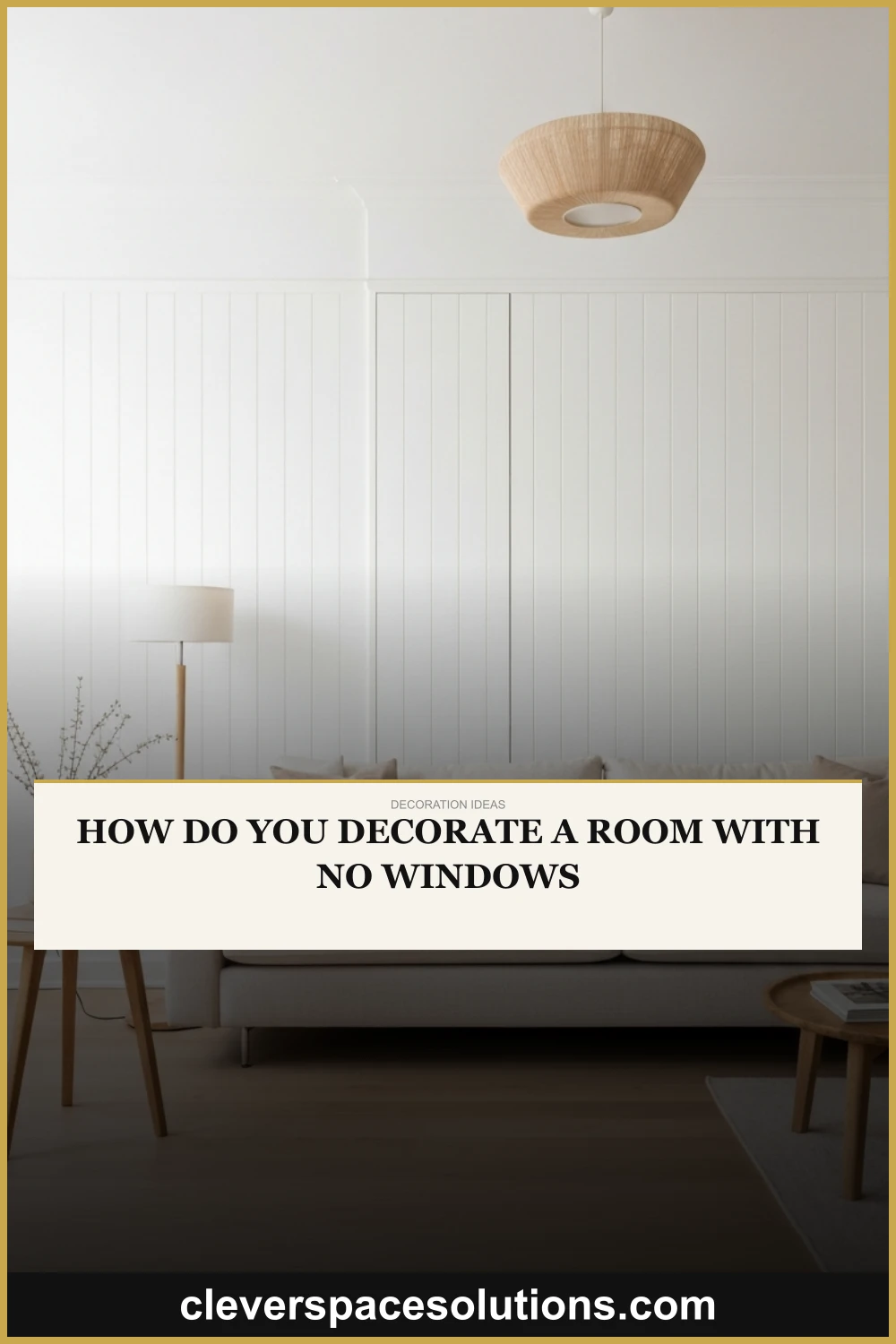
How to Decorate a Room with No Windows: 8 Techniques That Work
Windowless rooms are more common than most people realize. Basements, interior offices, converted closets, and interior-facing bedrooms all share the same challenge: no natural light and no outside view. The Illuminating Engineering Society (IES) estimates that poor artificial lighting in enclosed rooms reduces both mood and productivity by measurable margins — but the right design approach closes that gap significantly. A windowless room can feel genuinely comfortable with deliberate choices.
I've decorated two windowless rooms over the years — one a basement office, one a walk-in wardrobe conversion to a nursery. What I found is that the absence of a window forces you to become a better designer. You stop relying on natural light to do the work for you. Every surface, every bulb, and every piece of furniture has to earn its place.
TL;DR: A windowless room doesn't have to feel like a cave. The IES recommends layered lighting at 2700-3000K color temperature to simulate daylight comfort. Combined with light-reflective colors, mirrors, high-legged furniture, and carefully chosen low-light plants, a room with no windows can feel bright, spacious, and genuinely inviting.
How Can You Add Movement and Depth to Windowless Walls?
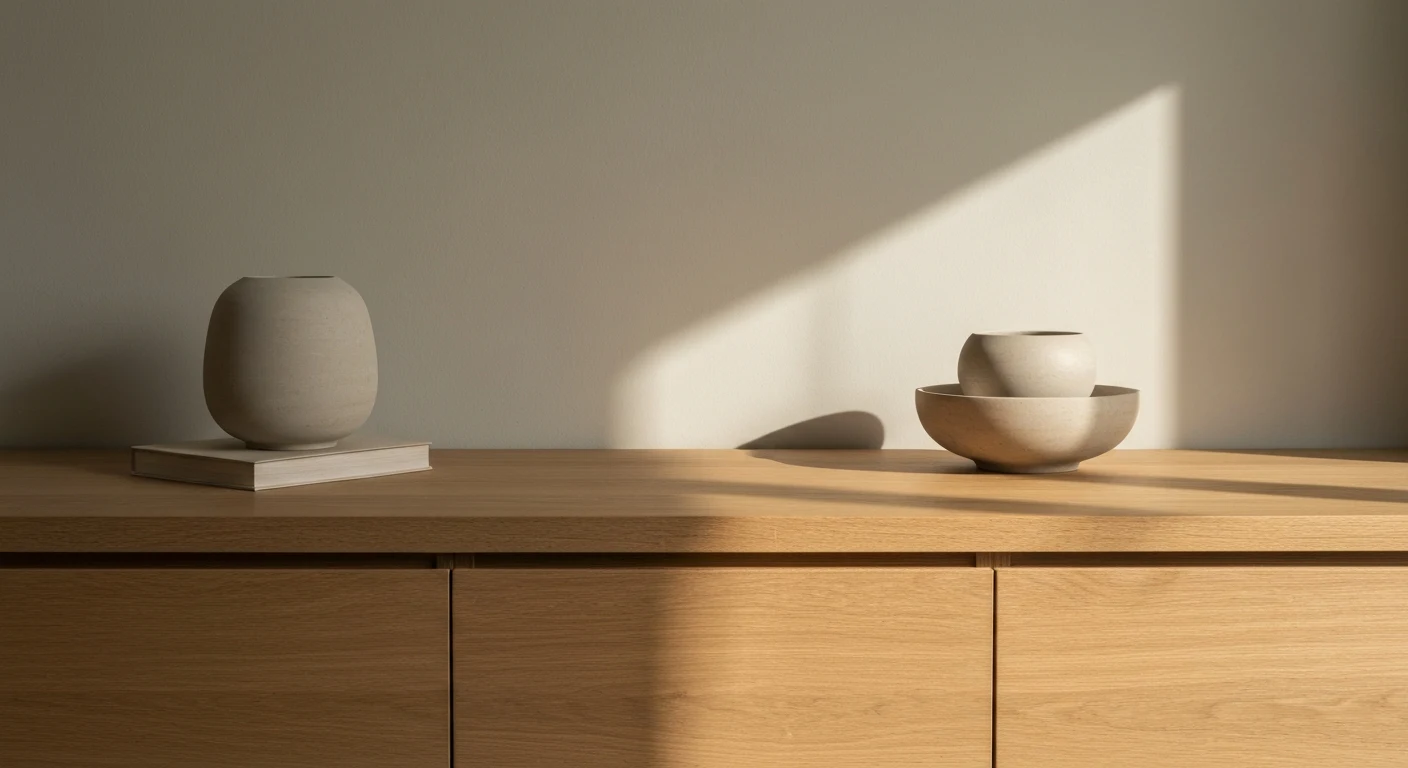
Walls carry extra visual weight in a windowless room because they have no interruption — no view, no natural frame. The IES notes that visual anchors and focal points on enclosed walls directly affect how spacious a space feels, regardless of its actual dimensions. Creating deliberate focal points on your walls is one of the fastest ways to counteract the enclosed feeling.
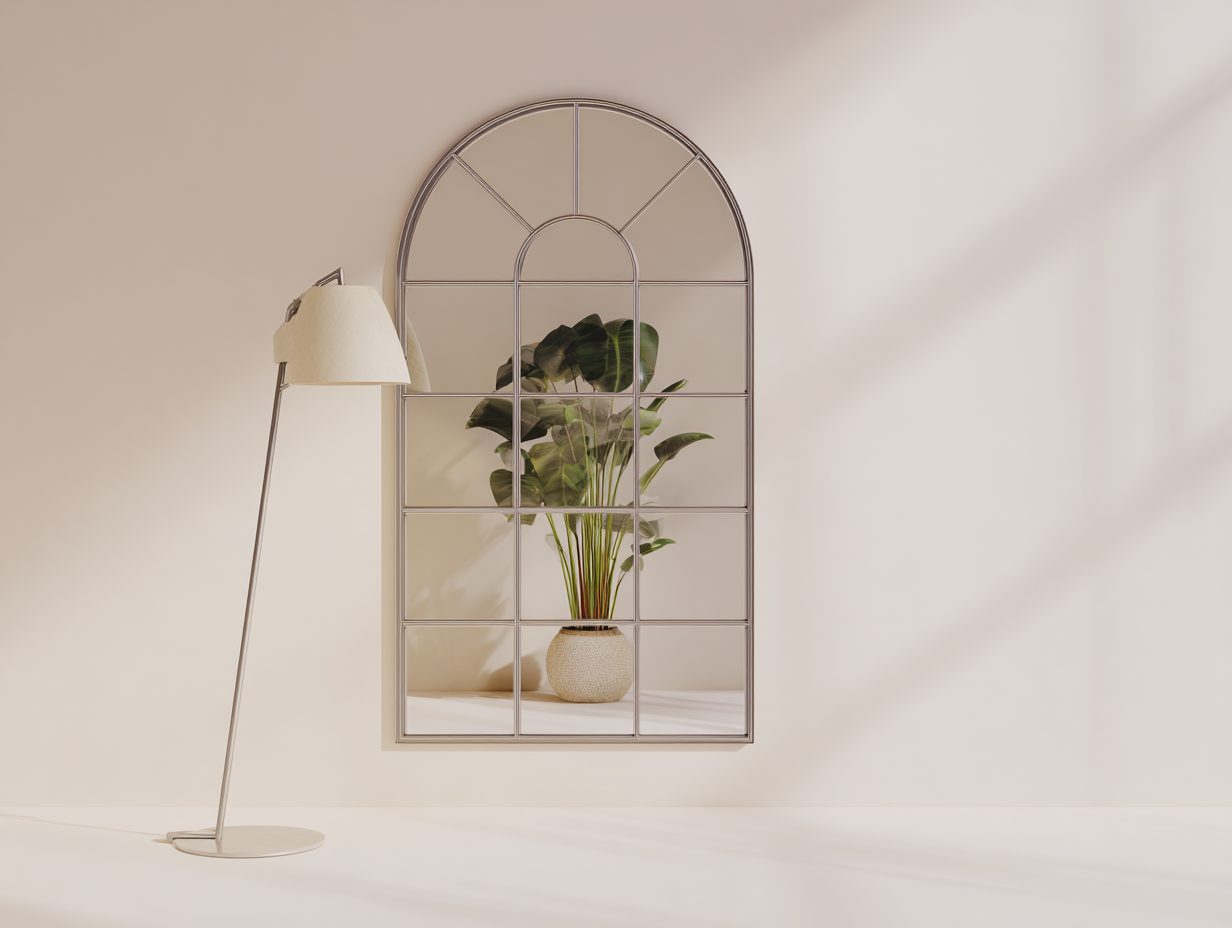
Mirrors are the most effective single tool available. A large mirror placed opposite a light source doubles the perceived light in a room without adding a single watt. It also creates depth — the reflection suggests space beyond the wall. Choose a mirror with clean, simple framing rather than a heavily decorative shape. A rectangular or square mirror reads as window-like. A star-shaped or heavily ornate frame reads as decor only and loses the spatial illusion.
Wall Molding and Panelling as a Window Substitute
Wall molding creates rectangular or square framed sections on a plain wall — essentially mimicking the proportions of a window without any glass. This technique has become genuinely popular in interior design over the last five years, and for good reason. Add a picture spotlight above each molded panel, and the framed section glows like it's receiving natural light from beyond the wall. It's a convincing visual trick.
You can extend the technique further. Paint the interior of each molded section in a slightly lighter tone than the surrounding wall. The contrast makes the panels appear to glow. Hang artwork inside the frames that depicts outdoor scenes — a seascape, a landscape, a cloudy sky. The subconscious reads these as views rather than paintings, especially in a well-lit room.
Large-Scale Artwork That Opens the Space
Artwork depicting outdoor scenes — coastlines, forests, open skies — creates what designers call a "borrowed view." The human eye instinctively treats large rectangular images as potential openings, especially when the subject matter suggests depth and distance. This isn't just aesthetic theory. Environmental psychology research consistently shows that images of nature reduce stress hormones in enclosed spaces, even when the nature is depicted rather than real.
Scale matters. A small painting on a large wall reads as decoration. A large painting — ideally filling 60-70% of a wall's width — reads as a feature. Go bigger than feels comfortable. The effect scales with the image size.
Why Does Color Selection Matter So Much in a Windowless Room?
Color is amplified in a windowless room because artificial light renders colors differently than sunlight. The National Institute of Building Sciences notes that light-reflective colors with LRV (Light Reflectance Value) above 70 can increase perceived brightness by up to 30% compared to mid-tone colors in the same artificial lighting conditions. Choosing the right color palette is not decorative — it's functional.
Start with the walls. Cream, soft white, and warm beige reflect the most light without feeling clinical. These neutrals work in any room function — bedroom, office, bathroom, or living space — because they don't impose a mood. They simply maximize whatever light is available, whether that's recessed spotlights or floor lamps.
Accents are where you add personality. Lavender, sage green, pale blue, and soft blush all work beautifully as accent colors in a windowless room because they read as calming rather than energizing. They don't make the space feel smaller the way saturated, deep colors do. Reserve bold colors — terracotta, navy, deep green — for small accessories only. A throw pillow in deep blue adds richness without closing the space down.
In our experience staging two windowless rooms, switching from a mid-tone gray wall to a warm white with LRV of 82 made a more noticeable difference to perceived room size than any furniture change we made. The transformation took one weekend and cost less than any furniture piece we considered.
What Are the Best Artificial Lighting Options for a Windowless Room?
Lighting in a windowless room does the job a window would normally do — it defines mood, reveals color accurately, and affects how alert or relaxed occupants feel. The Illuminating Engineering Society (IES) recommends a layered lighting approach for rooms without natural light: ambient lighting for overall visibility, task lighting for specific activities, and accent lighting for visual interest. All three layers together replicate something close to the complexity of natural light.
Color temperature is the most important single specification. Bulbs rated at 2700K to 3000K produce warm white light that mimics late-afternoon sunlight. Bulbs at 4000K and above produce cooler, bluer light that feels institutional rather than residential. The NIH has documented measurable differences in occupant wellbeing between warm and cool artificial lighting in enclosed environments — this isn't preference, it's physiology.
Layering Your Light Sources
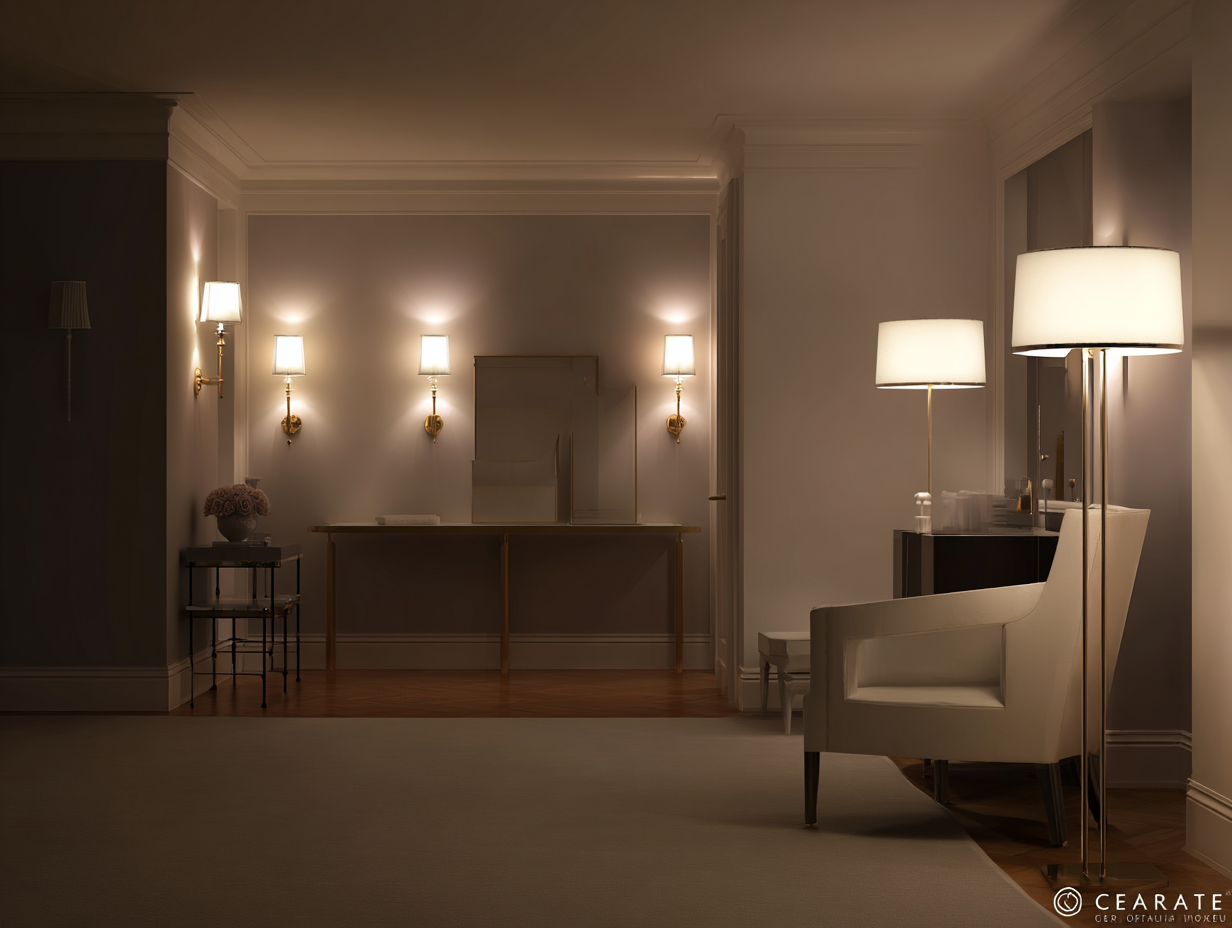
Start with ambient lighting that covers the entire ceiling plane. Recessed downlights work well, but surface-mounted spotlights that direct light at the walls and ceiling actually spread light more evenly in a small space. Uplighting — pointing light toward the ceiling — raises the perceived ceiling height and adds significant warmth to the room's overall feel.
Add task lighting where activity happens. A desk lamp for a workspace, a bedside reading light for a bedroom, under-cabinet strips for a kitchen or bar area. These focused light sources create visual interest and give the room purpose. Finally, accent lighting — LED strip lights behind a TV unit, a picture spotlight over artwork, a table lamp with a warm-toned shade — adds layers that prevent the room from feeling flat and uniform.
Circadian-Friendly Lighting for Windowless Bedrooms
If the windowless room is a bedroom or a space where someone spends significant time, circadian rhythm matters. The NIH's research on indoor environments confirms that lack of natural light exposure disrupts melatonin production, which affects sleep quality and alertness. Smart bulbs that shift color temperature throughout the day — warmer in the evening, cooler in the morning — partially compensate for the absence of sunlight.
Wake-up lights that simulate sunrise are particularly valuable in a windowless bedroom. They shift from deep red to warm orange to bright white over 20-30 minutes before your set alarm time, triggering natural cortisol release. They don't fully replace a window, but they make windowless sleeping significantly more comfortable for most people.
How Should You Arrange Furniture in a Windowless Room?
Furniture arrangement in a windowless room follows one primary rule: keep the floor visible. The NIH's environmental health research notes that visual access to floor space is one of the key cues humans use to assess room size. When furniture blocks sight lines to the floor, the brain registers the space as smaller than its actual dimensions. High-legged furniture solves this by keeping the floor plane uninterrupted.
Pull furniture slightly away from walls rather than pushing everything flush. A sofa floating 6-8 inches from the wall creates space behind it that the eye reads as depth. It feels counterintuitive in a small space — you'd expect moving furniture away from walls to make things tighter. In practice, it consistently makes rooms feel larger because it allows air and light to circulate around pieces rather than making them appear cemented in place.
Choosing Furniture Proportions That Don't Overwhelm
Scale is the most common furniture mistake in windowless rooms. A large, low sofa with heavy arms takes up enormous visual mass even if its footprint is modest. The same sitting capacity delivered through two smaller chairs and a loveseat feels lighter and less imposing. When in doubt, choose smaller over larger and add a piece if needed rather than starting oversized and feeling stuck.
Furniture with visible legs — console tables instead of sideboards, chairs on tapered legs rather than upholstered-to-the-floor models — keeps the floor in view and the room feeling spacious. Glass and lucite surfaces serve a similar purpose. A glass coffee table has no visual mass, which means it takes up zero perceived space even while providing the function of a solid surface.
Which Low-Light Plants Work in a Windowless Room?
Plants improve air quality in enclosed spaces. NASA's Clean Air Study identified common houseplants as effective at removing volatile organic compounds (VOCs) from indoor air, and the NIH's research on indoor environments confirms that green elements in windowless spaces measurably reduce stress responses compared to identical rooms without plants. The key is choosing species that genuinely survive without natural sunlight.
Several plants thrive under artificial lighting alone. Pothos (Epipremnum aureum) is the most forgiving — it grows in almost any indoor condition and actively purifies formaldehyde and xylene from the air. Snake plants (Sansevieria) tolerate extremely low light and produce oxygen overnight, making them ideal for windowless bedrooms. ZZ plants (Zamioculcas zamiifolia) are nearly indestructible and handle periods of both low light and neglected watering.
Setting Up Grow Lights for Indoor Plants
If you want to grow plants that need more light than a windowless room naturally provides, a grow light is the practical solution. Full-spectrum LED grow lights designed for indoor plants typically run at 3500K-6500K color temperature and provide the light wavelengths plants use for photosynthesis. Place them 6-12 inches above your plants for 12-14 hours per day and most houseplants will thrive as if they were in a sunny window.
Modern grow lights are slim, attractive, and available in versions that clip to shelves or mount flush to walls. They don't have to look utilitarian. Choose a warm-toned model that doubles as ambient room lighting — several brands now produce grow lights indistinguishable from decorative pendant lamps. You get healthy plants and better room lighting from a single fixture.
Frequently Asked Questions About Decorating Windowless Rooms
What color should I paint a windowless room?
Warm whites and soft creams with a Light Reflectance Value (LRV) above 70 are the most effective choices. They maximize whatever artificial light is available and make the room feel open without feeling cold or clinical. The National Institute of Building Sciences notes that high-LRV colors can increase perceived brightness by up to 30% compared to mid-tones under identical artificial lighting conditions. Test samples in your specific room before committing.
Can a windowless room be a legal bedroom?
In most jurisdictions, a habitable bedroom must have at least one window for emergency egress. Building codes vary by country and municipality, but the International Residential Code (IRC) generally requires a minimum window opening of 5.7 square feet for any room designated as a sleeping space. Check local codes before using a windowless room as a primary bedroom, particularly for rental purposes. It may affect insurance coverage and resale value.
How do I prevent a windowless room from feeling stuffy?
Ventilation is the practical solution. A good ceiling fan, a portable air purifier with a HEPA filter, and low-VOC furnishings and finishes all improve air quality in an enclosed space. The NIH's indoor air quality research identifies air circulation as one of the three primary factors in perceived comfort in windowless environments — the others being temperature and lighting. A HEPA purifier also reduces the allergen load that accumulates faster in rooms without natural air exchange.
Do smart lights make a meaningful difference in a windowless room?
Yes, particularly for rooms occupied during both morning and evening hours. Smart bulbs with programmable color temperature schedules shift from cool white in the morning — which supports alertness — to warm amber in the evening, which supports relaxation and melatonin production. The NIH's research on circadian lighting documents measurable improvements in sleep quality and daytime alertness for people using tunable lighting in windowless or low-window environments.
Is a windowless room bad for mental health?
Long-term occupancy in poorly lit, poorly ventilated windowless spaces is associated with increased stress and reduced mood, according to multiple NIH environmental health studies. However, these outcomes are tied to poor lighting and air quality, not the absence of windows per se. A well-lit, well-ventilated windowless room with plants, natural materials, and warm color temperature lighting produces significantly better wellbeing outcomes. The design quality matters far more than the presence of a window.
Final Thoughts: Windowless Rooms Can Feel Genuinely Good
A windowless room is a design problem with real solutions. The IES lighting standards give you the technical foundation — layered warm light at 2700-3000K. High-LRV colors give you the surface science. Mirrors give you the depth. High-legged, scaled furniture gives you the spatial generosity. Low-light plants give you the air quality and the connection to living things that enclosed spaces tend to lack.
None of these interventions require a renovation. Most require an afternoon and a clear plan. Start with lighting — it delivers the biggest single improvement fastest. Then address walls with mirrors and artwork. Then furniture arrangement. Build from there rather than trying to change everything at once.
Windowless doesn't mean hopeless. It means intentional. And intentional design almost always produces a better result than a beautiful window that nobody thought about.
[CITATION CAPSULE: The Illuminating Engineering Society (IES) recommends layered lighting at 2700-3000K color temperature for rooms without natural light, noting that warm artificial light at this range measurably improves occupant comfort and perceived spatial quality in enclosed environments. The National Institute of Building Sciences further documents that high-LRV paint colors (above 70) increase perceived brightness by up to 30% under artificial lighting conditions (IES Lighting Handbook, 10th Edition; NIBS Building Science Resources, 2022).]
More from Studio & Small Apartment
Layout, decor, and life in studio and small apartments.
How Do You Decorate a Studio Apartment?
Wondering how to furnish your studio apartment without it feeling cramped? This guide answers your questions with smart ideas for zoning, furniture, and deco...

How to Decorate a Studio Apartment: An Expert's Guide
8 min read

How Do You Decorate a Studio Apartment?
10 min read

The Art of Studio Living: Your Complete Guide
10 min read
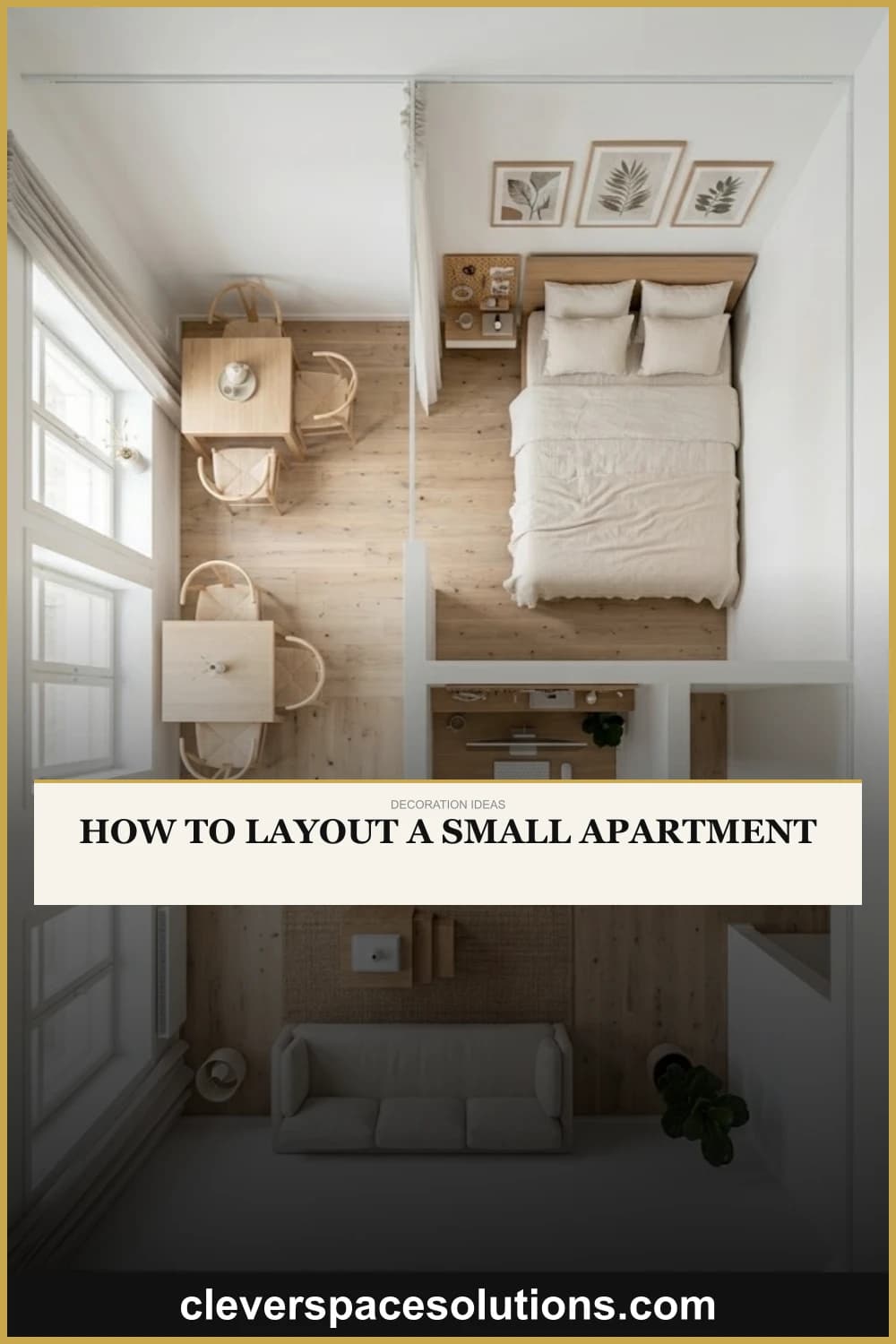
How to Layout a Small Apartment?
25 min read

3 Flawless Layouts and 5 Real-Life Studio Solutions
21 min read
How Do You Decorate a One-Bedroom Apartment?
18 min read
Tags

Written by Joesp H.
Interior Design & Small Space Living Specialist
Former marketing manager turned full-time home optimizer. After living in 7 homes ranging from 450 to 2,000 sq ft, I started CleverSpaceSolutions to help people create organized, functional spaces on real budgets.
Other Articles
Make Your Home Look More Spacious and Bright
Transform any room into a bright, airy retreat. This guide offers simple decor tips on using light, color, and layout to make your home feel instantly more s...

The Art of Studio Living: Your Complete Guide
Wondering how to furnish your studio apartment without it feeling cramped? This comprehensive guide answers your questions on zoning, furniture, and decor, h...
How Do You Decorate a One-Bedroom Apartment?
Wondering how to make the most of your one-bedroom apartment? This guide answers your questions with smart ideas for furniture, layout, and storage to create...