How Do You Host a Party in a Small Outdoor Space? 5 Brilliant Ideas
Love outdoor parties but have a tiny balcony or patio? This guide answers your questions with 5 brilliant ideas for maximizing space, from smart furniture to...
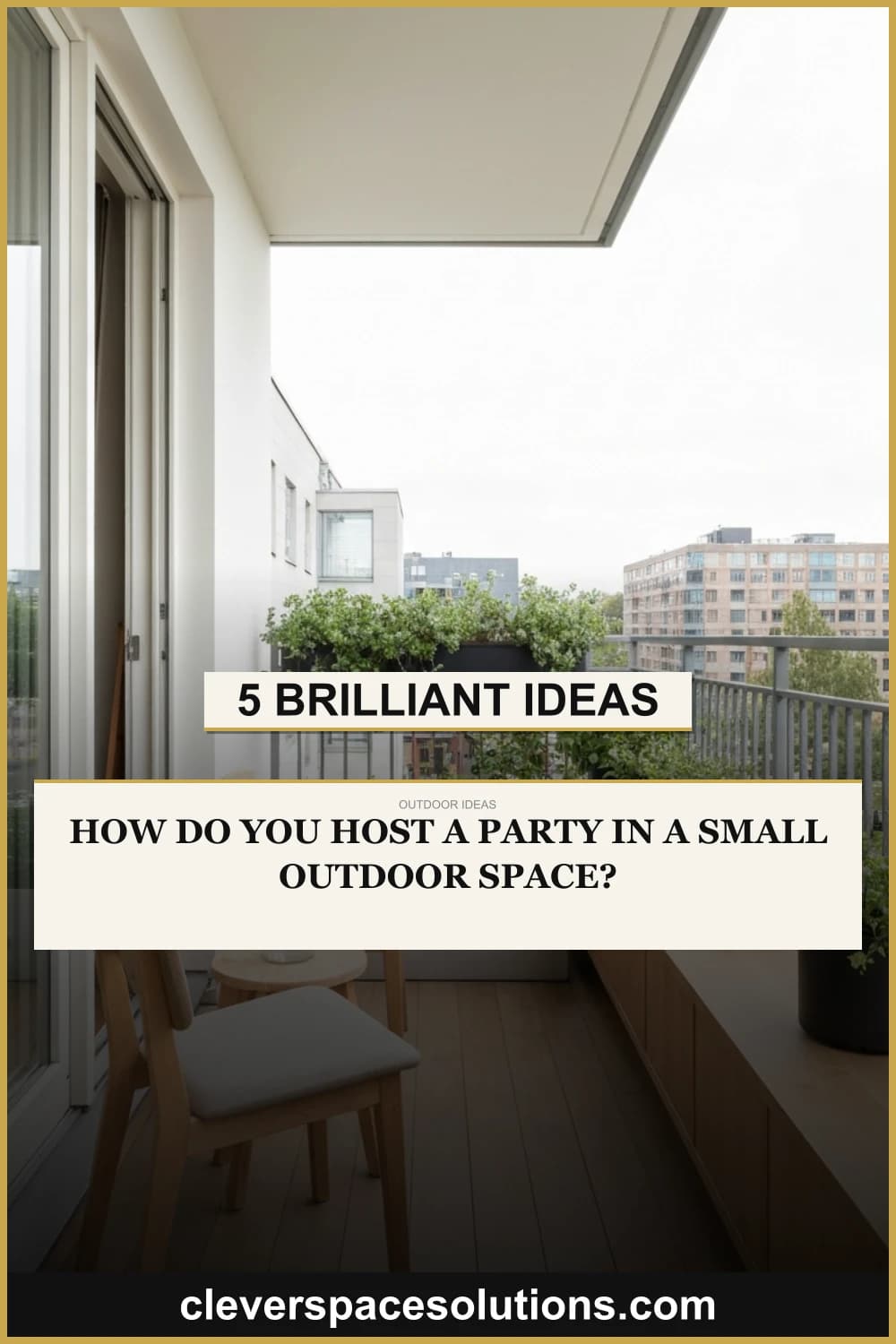
How to Host a Party in a Small Outdoor Space: 7 Ideas That Actually Work
A small balcony or compact patio is no reason to cancel the gathering. According to the American Society of Landscape Architects (ASLA), outdoor living spaces ranked as the most requested residential feature for over a decade running, with more than 90% of surveyed landscape architects reporting increased demand from urban clients who have limited square footage. People are making it work — and you can too.
The truth is, I've hosted a dozen gatherings on a 60-square-foot balcony. What I learned quickly is that constraint forces creativity. When you can't spread out, you get intentional about every chair, every centimeter of railing, and every light fixture. The parties I've thrown in that small space were often more fun than anything I attended in a sprawling backyard.
TL;DR: You don't need a large yard to host a memorable outdoor party. With smart zoning, compact furniture, vertical lighting, and the right grill, even a 60-square-foot balcony can host a comfortable gathering. The ASLA reports that 90%+ of landscape architects see rising demand for small-space outdoor design — the techniques exist, they just need applying.
Why Does Layout Matter More Than Square Footage?
Layout decisions determine whether a small outdoor space feels chaotic or intentional. The National Retail Federation (NRF) found that 62% of Americans planned to host at least one outdoor gathering in 2023, yet most compact spaces underperform because hosts copy layouts from larger venues rather than designing for their actual dimensions. Good layout makes a 6x10 patio feel like a proper venue.
The single most effective strategy is zoning. Divide the space into two or three distinct areas even if they're only three feet apart. A "drinks corner" and a "seating zone" give guests a reason to move around. Movement creates energy. That's what makes a party feel alive rather than static.
Go vertical whenever possible. Wall-mounted planters, hooks for lights, and railing-mounted shelves all push activity upward instead of outward. The floor stays clear. Guests can navigate freely without bumping elbows, and the space feels structured rather than cluttered.
Keep every pathway clear. This sounds obvious, but hosts routinely block the primary walk path with a cooler or a side table. Maintain at least 24 inches of clearance between any two pieces of furniture. That measurement comes from residential accessibility guidelines and it genuinely changes how comfortable movement feels.
Creating Zones in Under 100 Square Feet
Even in a very tight space, three zones are achievable: entry, food and drink, and seating. The entry zone doesn't need to be formal — a small bench or a mat signals where guests arrive. The food and drink station can be a single bar cart. The seating zone needs enough chairs for everyone invited, even if some fold flat when not in use.
Use an outdoor rug to anchor the seating zone. A rug creates a visual boundary that tells guests "this is the conversation area." It also reduces noise from chair-scraping on hard surfaces, which matters more than you'd expect during an evening gathering.
What Furniture Works Best for a Small Patio or Balcony?
Bulky outdoor furniture destroys small-space flow. Folding chairs, bistro sets, and stackable stools outperform sofas and oversized sectionals in compact environments. A well-chosen bistro table seats two people and folds flat against a wall in under ten seconds. That flexibility matters when you need to reconfigure the space as the night evolves.
Multi-purpose pieces do the heavy lifting. An outdoor ottoman with interior storage handles three jobs: seat, footrest, and party-supply cabinet. A storage bench along a railing provides seating for three guests while hiding extension cords, extra napkins, and a first aid kit underneath. We've found that guests never notice the furniture is doing double duty — they just notice the space feels surprisingly roomy.
Bistro sets: Perfect for balconies under 80 square feet. Two chairs, one small round table, zero wasted space.
Folding chairs: Store flat against a wall between uses. Stack four of them where a single armchair would normally stand.
Floor cushions: Lower the sightline, create a relaxed atmosphere, and take up no vertical space when stacked in a corner.
Benches: Push against the railing or wall. A 48-inch bench seats three people and takes the footprint of two chairs.

How to Choose Furniture That Folds or Stacks
Before buying any piece, ask one question: where does this go when the party ends? If you can't answer that clearly, the piece is wrong for the space. Chairs should stack or fold. Tables should nest or fold. Anything with a fixed footprint should earn its place by serving at least two functions.
Weight matters too. Lightweight aluminum and resin pieces are easy to reconfigure during the party. Heavy cast iron looks beautiful in a showroom and becomes a logistical problem the moment you need to rearrange for more guests. Keep the total weight of your outdoor furniture low enough that one person can reset the layout in five minutes.
How Do You Set Up a Food and Drink Station in a Tight Space?
A compact food and drink setup requires vertical thinking. NRF entertaining surveys consistently show that self-serve drink stations reduce host stress by keeping guests independent for refills — which is equally valuable when your "kitchen" is a bar cart on wheels rather than a full catered setup. A slim bar cart, properly stocked, handles everything a dedicated bar table would in a fraction of the footprint.
I prep the cart inside, then roll it out. That workflow keeps the outdoor space uncluttered during setup and makes restocking seamless during the party. Everything guests need — glasses, ice bucket, garnishes, napkins — lives on two shelves that take up about four square feet of floor space total.

Tiered Serving and Wall-Mounted Options
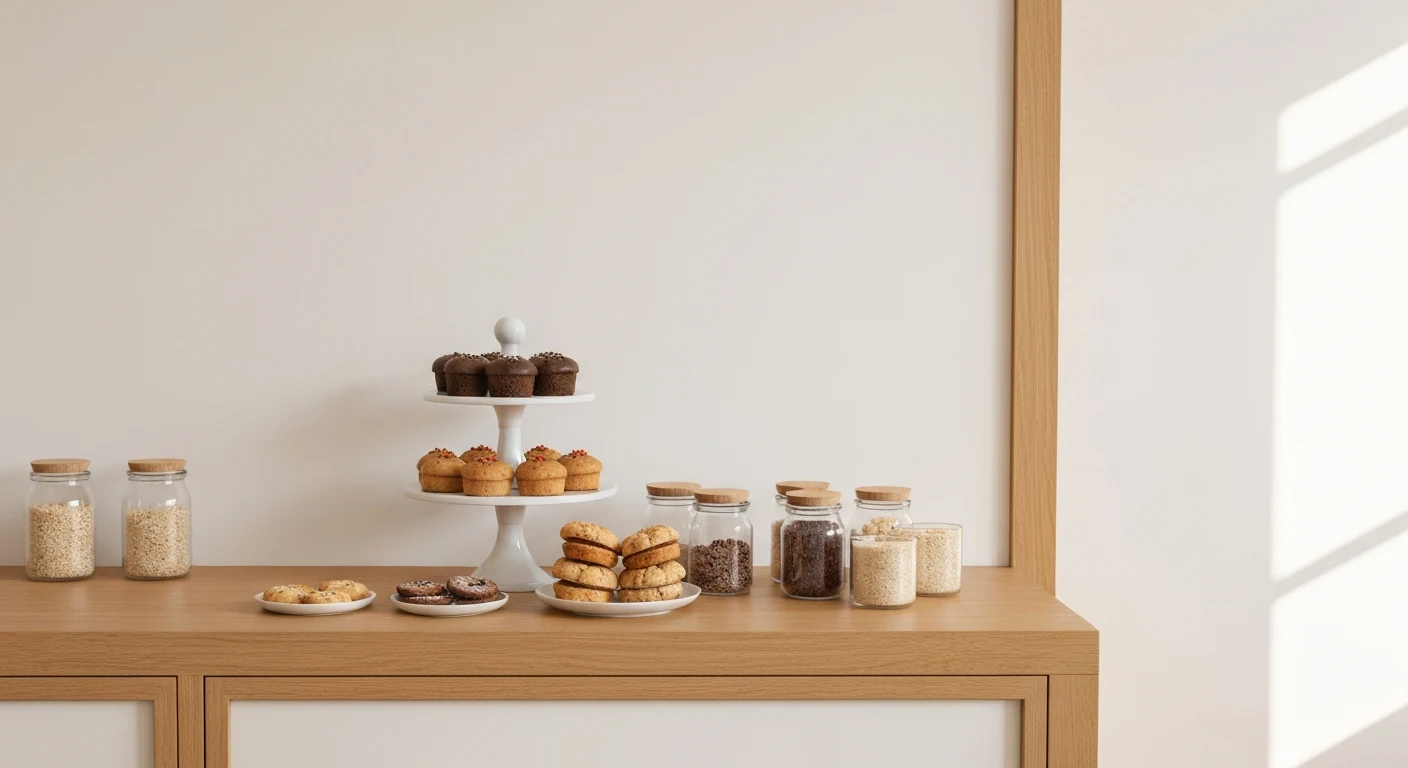
Tiered serving stands let you display three levels of food in the same footprint as a single dinner plate. Use the bottom tier for napkins and utensils, the middle for savory bites, and the top for sweets. Guests serve themselves without crowding around a table, which eliminates the longest bottleneck at most small-space parties.
A wall-mounted drop-leaf table is worth considering if you host regularly. When raised, it provides a proper surface for food or a buffet line. When dropped, it disappears flat against the wall and returns all that floor space to the party. Installation takes an afternoon and the payoff is enormous for any space under 120 square feet.
How Do You Create a Great Atmosphere with Lighting and Decor?
Lighting transforms a small outdoor space more dramatically than any other single element. Research from the Illuminating Engineering Society shows that warm light between 2700K and 3000K color temperature significantly increases perceived comfort and sociability in outdoor environments — and string lights in that warm range cost under $30. The atmosphere they create is worth every cent.
String lights draped overhead create an instant ceiling that makes even an open balcony feel enclosed and intimate. That's the psychological effect you're after. A space that feels defined and bounded reads as intentional to guests, even if it's small. Run a line of lights from one wall to the opposite railing, then add a second line perpendicular to it. That crosshatch pattern doubles the warmth without adding complexity.

Rugs, Plants, and the Illusion of a Bigger Space
An outdoor rug does two things simultaneously: it anchors the seating zone and it signals to guests that this space was designed, not just furnished. Choose a rug that fits under all four legs of your seating arrangement. If the rug is too small, the space actually looks smaller, not larger.
Potted plants add height variation and soften hard surfaces without eating floor space. A tall, narrow plant in the corner draws the eye upward and makes the space feel taller. Two or three plants of different heights arranged in a corner work better than six plants scattered randomly. Clustering creates a "garden wall" effect that reads as lush rather than cluttered.
Can You Actually BBQ in a Small Space Safely?
Yes, grilling in a small space is absolutely possible with the right equipment. Electric grills are the practical choice for apartment balconies — they produce no open flame and minimal smoke, which matters both for safety and for neighbor relations. The National Fire Protection Association (NFPA) reports that grills cause an average of 10,600 home fires per year in the US, with improper placement being the leading contributing factor. Distance and clearance rules aren't suggestions.
Keep any grill at least 36 inches from walls, railings, hanging plants, and overhead structures. This isn't paranoia — it's the minimum clearance most fire codes require for portable grills on balconies. Check your local regulations before you fire anything up, because some buildings prohibit charcoal and propane entirely.
Best Compact Grill Options for Balconies
Electric grills designed for tabletop use are the safest and most practical for a small balcony. They heat quickly, clean up easily, and don't require fuel storage. For patios at ground level where regulations permit it, a small portable charcoal grill with a tight lid is a viable option — the lid controls flare-ups and smoke output.
Whatever grill you choose, never leave it unattended. That rule applies universally. Keep a fire extinguisher rated for grease fires within arm's reach. This preparation takes two minutes and gives you genuine peace of mind for the entire party.
What Should You Do Before Guests Arrive?
Pre-party preparation is where small-space hosting either succeeds or fails. The most common mistake I've seen — and made myself — is leaving setup until guests are already on the way. In a small space, setup takes longer because every item placement is a deliberate decision. Give yourself 90 minutes minimum for final setup on party day.
Walk through the space at guest height. Sit in each seat. Check that every chair has sight lines to the conversation center. Check that the food station is accessible from multiple directions without anyone blocking the path. Then check your lighting in the dark — turn off all ambient light sources and evaluate your string lights and candles alone. Adjust before anyone arrives.
In our experience, the single biggest improvement for small-space hosting isn't furniture or lighting — it's limiting the guest list to the space's genuine comfort capacity. For a 60-square-foot balcony, that means 6-8 guests maximum. Beyond that, comfort degrades and the party stops being enjoyable for everyone, including the host.
Frequently Asked Questions About Hosting in Small Outdoor Spaces
How many guests can I realistically fit on a small balcony?
A general rule used in event planning is 6 square feet per person for comfortable standing, or about 12 square feet per person for seated gatherings. A typical apartment balcony at 60 square feet comfortably holds 5-6 seated guests. Beyond that number, the experience degrades for everyone. The ASLA recommends designing for your realistic capacity first, then choosing furniture that matches — not the reverse.
What's the easiest way to create privacy on a small outdoor space?
Tall potted plants, outdoor curtains attached to a tension rod, and lattice screens are the three most practical options. Outdoor curtains on a railing rod create privacy, define the space visually, and absorb some sound. Plants positioned along the perimeter serve double duty as decor and screen. In our experience, a combination of curtains and plants works better than either alone.
Should I use real candles or flameless options outdoors?
Flameless LED candles are the safer choice for any outdoor gathering, especially where wind is a factor. Real candles can blow out repeatedly, frustrate guests, and create a fire risk near any fabric, plant, or wooden surface. Modern flameless candles replicate the flicker effect convincingly, and many are waterproof. Save real candles for protected, windless indoor settings where you can monitor them closely.
Can I have music without disturbing neighbors?
Yes, with the right speaker placement. Directional Bluetooth speakers pointed inward toward the seating zone keep sound focused on your guests rather than broadcasting to neighboring units. Keep volume at conversation level — roughly 60-65 decibels — which the World Health Organization identifies as the upper comfortable range for outdoor social settings. That's loud enough to set atmosphere, not loud enough to travel three floors down.
What food works best for a small outdoor party?
Finger foods and small plates that guests can eat standing up or with one hand are the clear winners for compact spaces. Full plated meals require table space you likely don't have. Charcuterie boards, skewers, sliders, and tapas-style bites all work well on a bar cart or tiered stand. Prepare everything indoors and bring it out ready to serve — outdoor prep space is too limited for meaningful cooking during the party itself.
The Bottom Line on Small-Space Party Hosting
Hosting outdoors in a small space isn't a compromise. It's a different set of design constraints, and constraints produce creativity. The ASLA data is clear: demand for intentional small outdoor living design is growing, not shrinking, because more people live in urban apartments with compact balconies than in suburban homes with sprawling yards.
Start with your layout — zones first, furniture second. Choose pieces that fold, stack, or serve multiple purposes. Light the space warmly with string lights at the 2700K-3000K range. Set up a self-serve bar cart so you can enjoy your own party. Grill smart and safely. And keep your guest list honest about what your space can genuinely hold.
A well-designed small space beats a neglected large one every time. If you want to take your balcony further year-round, building a real garden up there changes the space entirely — it gives it purpose and beauty beyond party nights.
[CITATION CAPSULE: According to the American Society of Landscape Architects (ASLA), outdoor living spaces have ranked as the most requested residential design feature for over a decade, with more than 90% of surveyed landscape architects reporting increased demand from urban clients working with limited square footage (ASLA Residential Landscape Architecture Trends Survey, 2023).]
More from Small Balcony & Outdoor
Balcony, patio, and outdoor decor for small spaces.
How to Turn Your Small Balcony into a Lush Garden Oasis
Don't let a small space stop you from having a beautiful garden. Discover creative ideas for plants, space-saving containers, and decor to transform your tin...
Affiliate Disclosure
Some links on this page are affiliate links. If you purchase a product through these links, I may earn a small commission at no additional cost to you. Thank you for your support!
Tags

Written by Joesp H.
Interior Design & Small Space Living Specialist
Former marketing manager turned full-time home optimizer. After living in 7 homes ranging from 450 to 2,000 sq ft, I started CleverSpaceSolutions to help people create organized, functional spaces on real budgets.
Other Articles
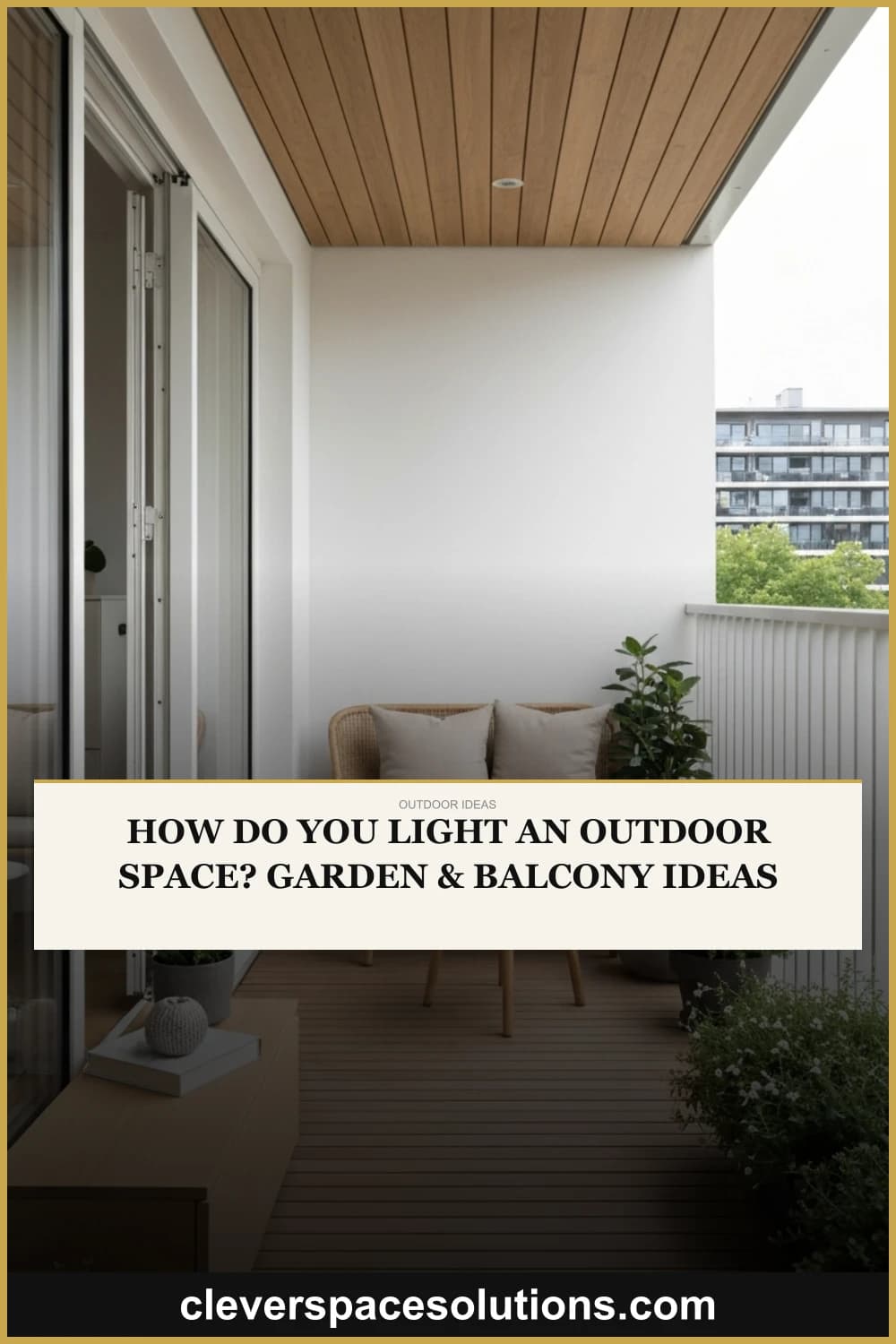
How Do You Light an Outdoor Space? Garden & Balcony Ideas
Wondering how to choose the right lighting for your garden or balcony? This guide answers your questions with expert ideas on the best light sources, placeme...
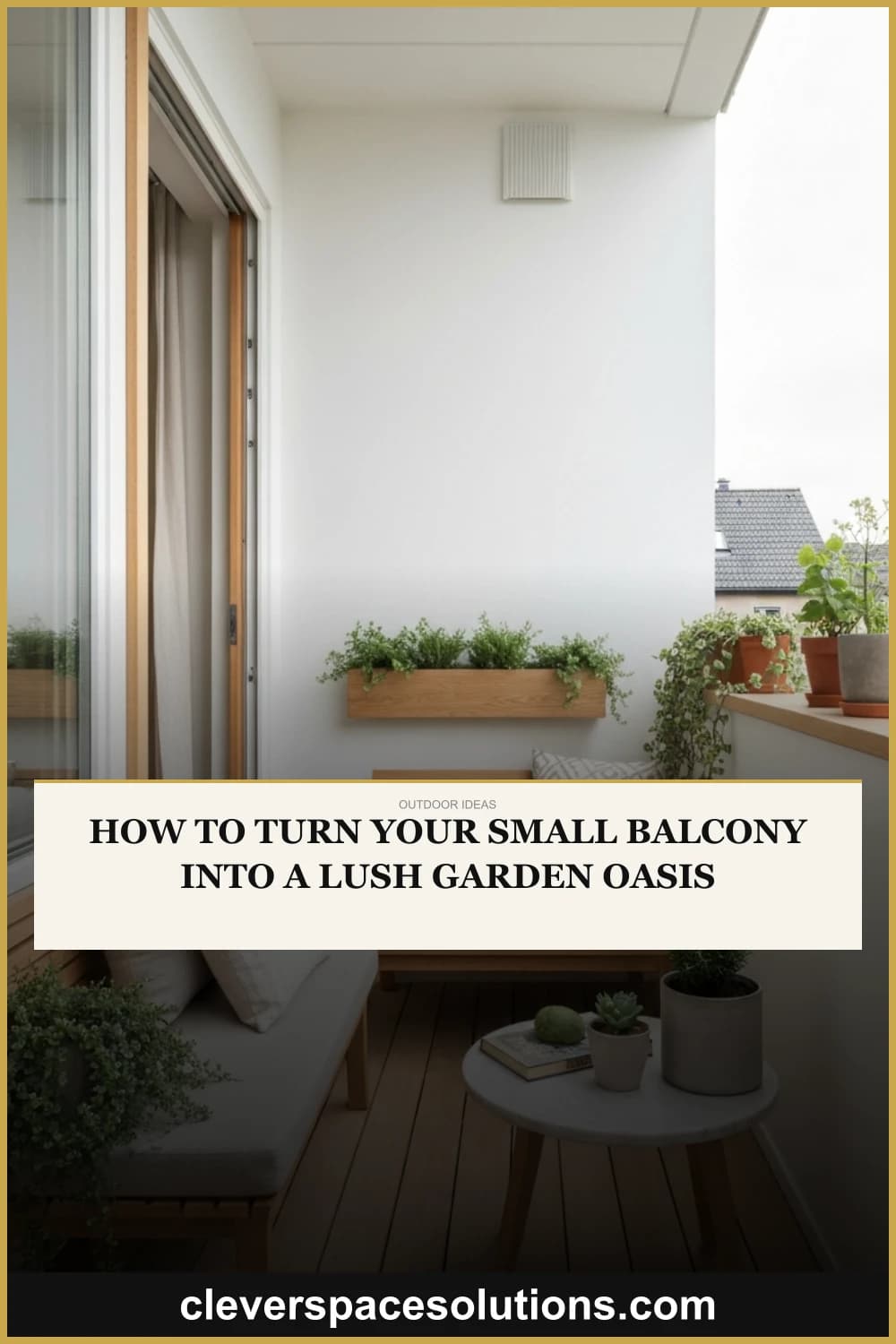
How to Turn Your Small Balcony into a Lush Garden Oasis
Don't let a small space stop you from having a beautiful garden. Discover creative ideas for plants, space-saving containers, and decor to transform your tin...
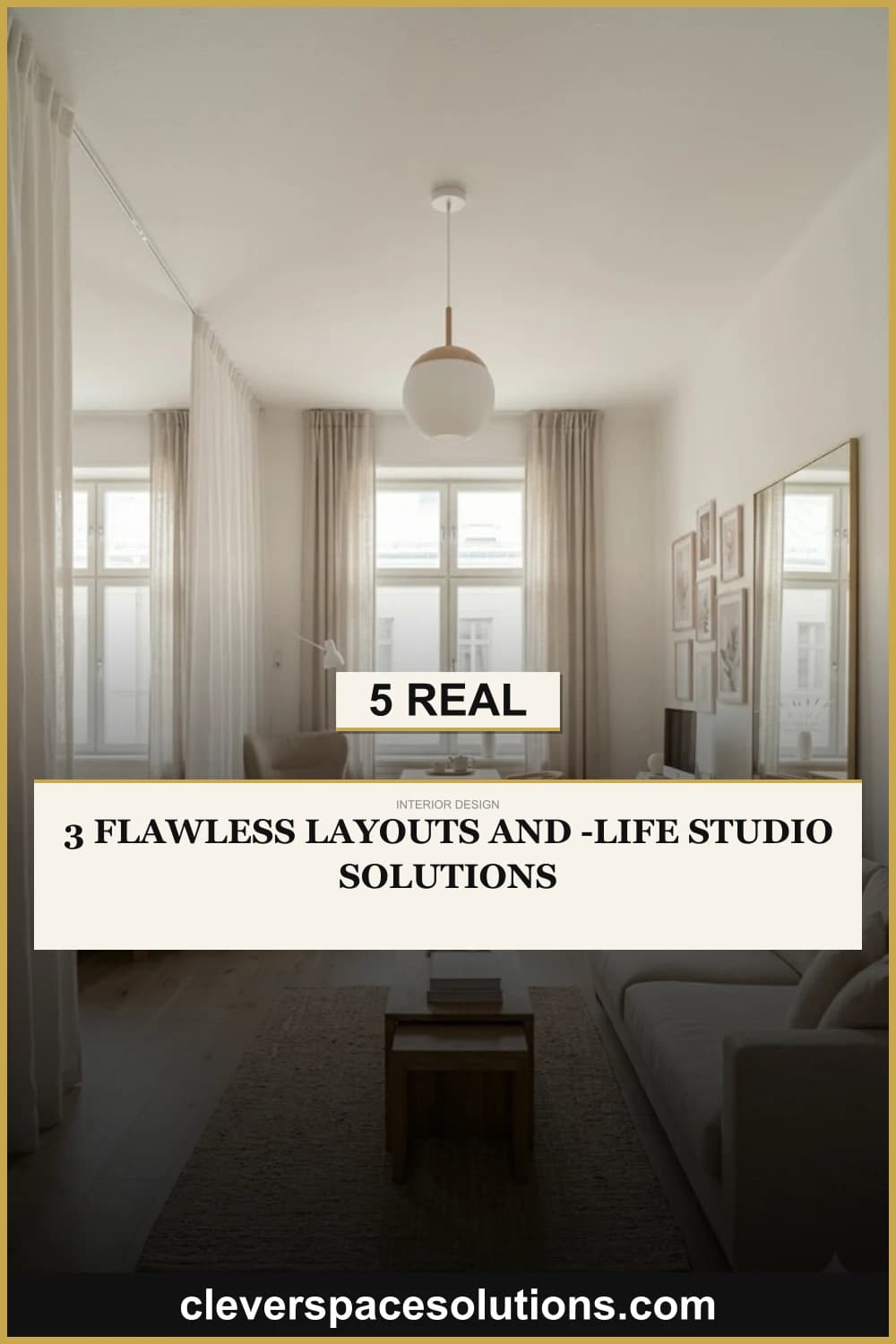
3 Flawless Layouts and 5 Real-Life Studio Solutions
Wondering how to arrange furniture in your small apartment? Get 3 fail-proof layouts for narrow living rooms and 5 genius plans for studio apartments.