How to Create a Cozy Reading Nook in a Small Apartment (No Spare Room Required)
Create a cozy reading nook in a small apartment with no spare room needed. A chair, a lamp, one shelf — and reading just 6 minutes cuts stress by 68%. Here's how.
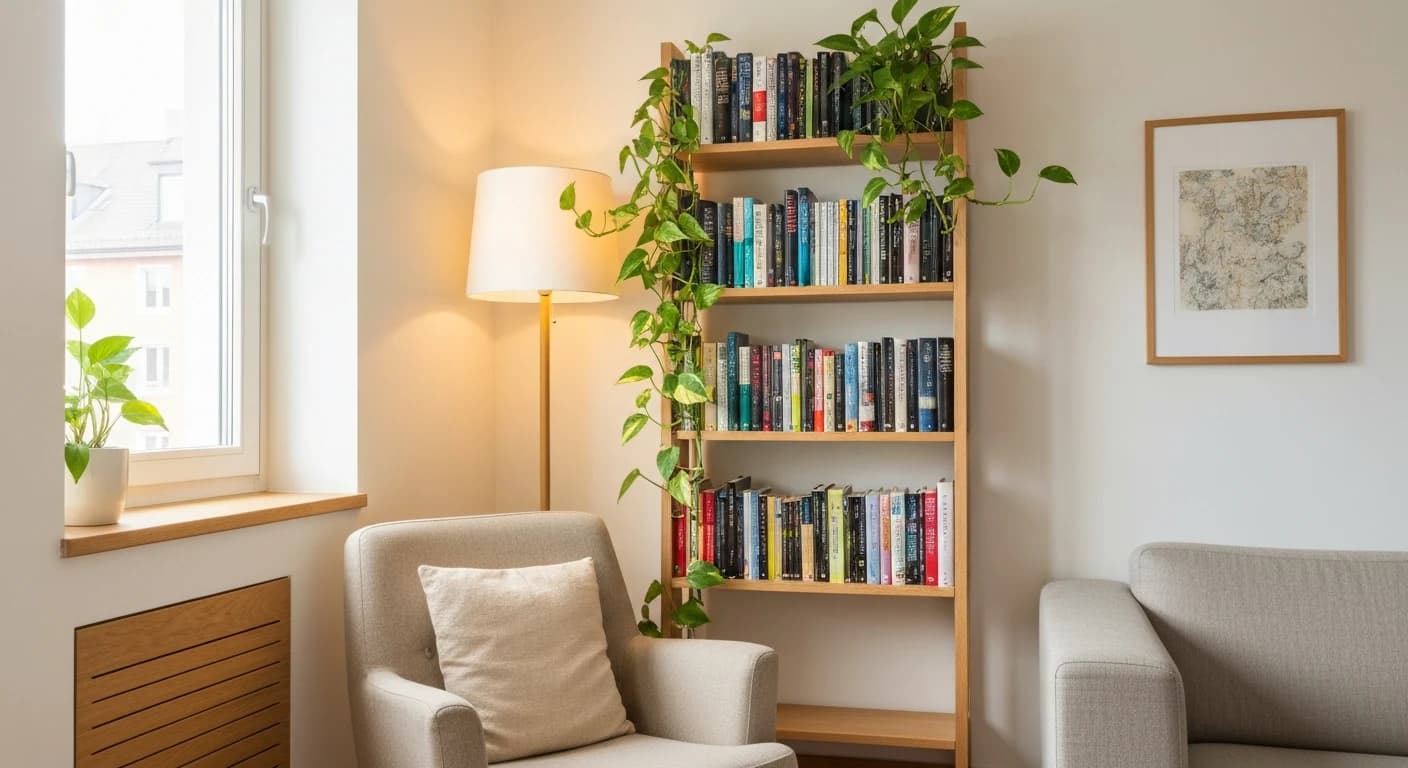
How to Create a Cozy Reading Nook in a Small Apartment (No Spare Room Required)
Reading nooks showed up 48% more often in Zillow home listings in 2026 (Zillow, 2025). That's a real signal. People are craving a dedicated spot to slow down and actually read. The trouble is, most apartment renters assume a reading nook requires a spare room, a window bay, or at least a sizable budget. I've put together reading corners in studios under 400 square feet, and I can tell you: none of those things are true. You don't need to renovate. You need the right chair in the right corner.
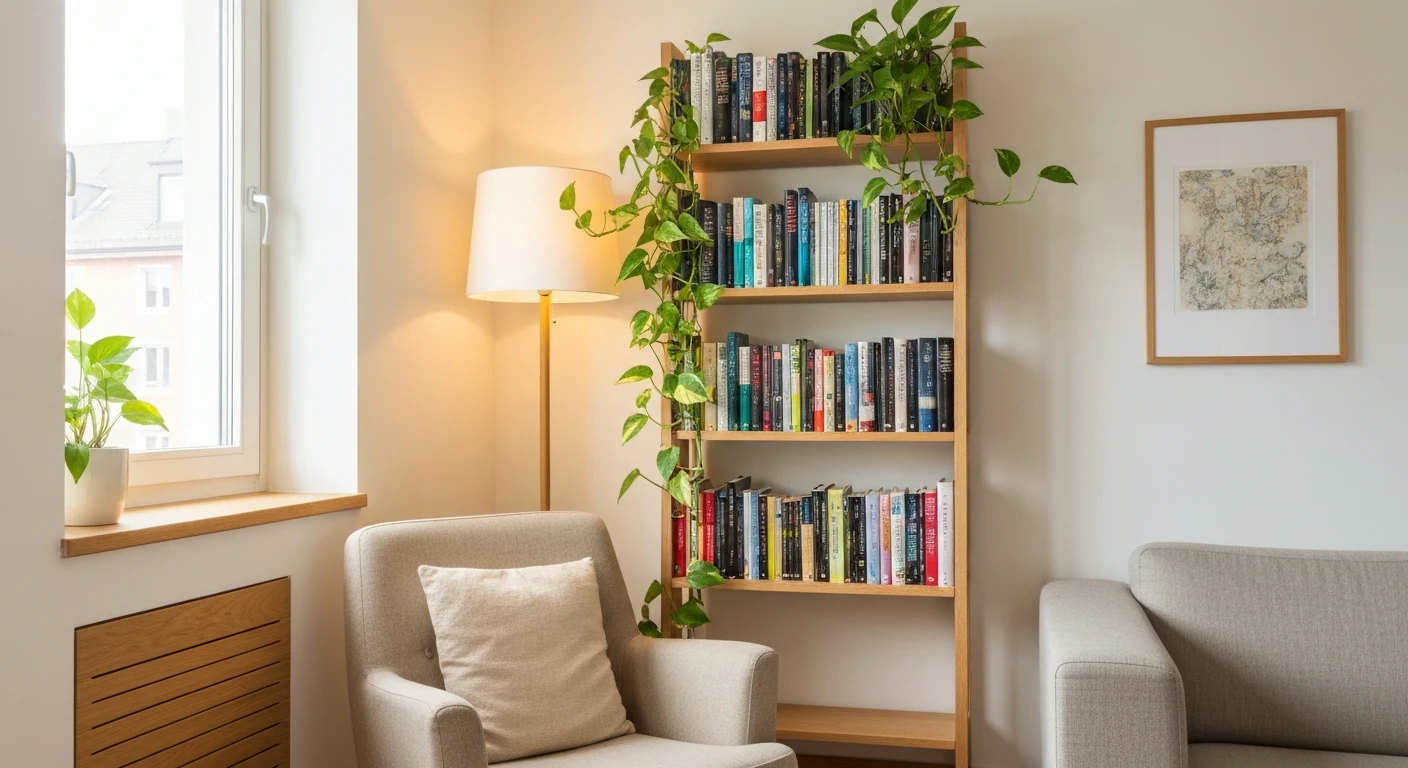
TL;DR: You don't need a spare room to build a proper reading nook. A corner, the right chair, a good lamp, and one shelf is all it takes. Reading for just 6 minutes reduces stress by 68% (University of Sussex, 2009), and a dedicated spot makes it far easier to build the habit. Start with the chair and work outward from there.
Why Your Small Apartment Actually Needs a Reading Nook
A 2009 University of Sussex study found that reading for just 6 minutes reduces stress levels by 68% (AnxietyCentre, 2009). That beats listening to music (61%), drinking tea (54%), and taking a walk (42%). Six minutes. Less time than most people spend scrolling before bed.
In my experience, the difference between reading regularly and not reading at all usually comes down to one thing: whether there's a specific place to do it. When I had a dedicated chair in my apartment, I read almost every night. When I didn't, the book just sat on the coffee table getting moved around. A designated spot signals to your brain that this is reading time, not scrolling time.
Only 16% of Americans read for pleasure on an average day in 2023, down from 28% in 2004 (PMC/iScience, American Time Use Survey, 2025). But among the people who do read regularly, they average 97 minutes per session. The habit is strong once you build it. A reading nook helps you build it in the first place.
Where Can You Put a Reading Nook in a Small Apartment?
The average US apartment is 908 square feet as of 2024 (National Apartment Association, 2025). That's not a lot to work with. But a reading nook doesn't need square footage. It needs intention. The right chair in the right corner makes a space feel purposeful without taking anything away from the room around it.
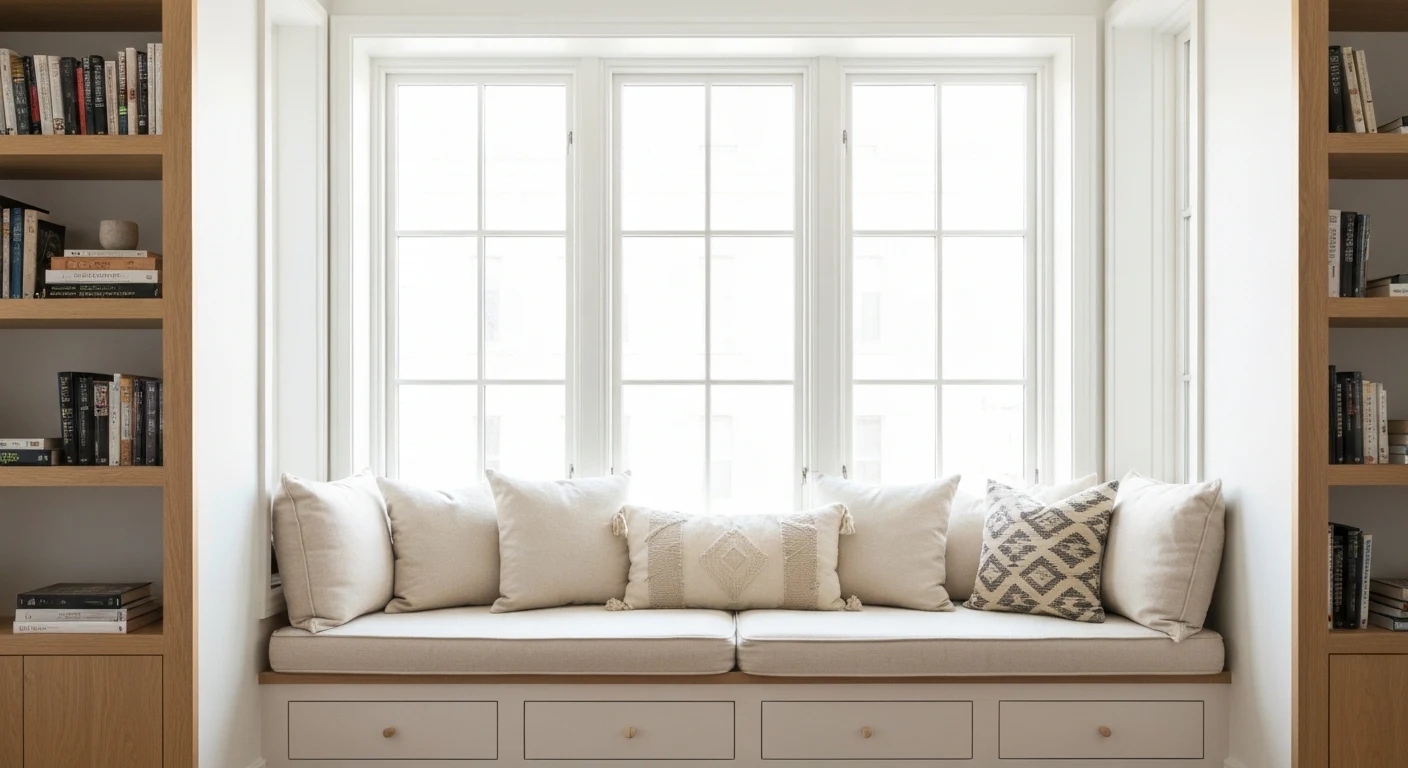
These are the spots I'd check first in any small apartment:
- An unused corner in the living room. Even a 4x4 foot corner can hold a compact armchair, a floor lamp, and a small side table. If you have an empty corner sitting there right now, that might already be your reading nook. For more ideas on making corners work, see our guide on what to put in an empty corner.
- A bedroom corner or alcove. A reading chair in the bedroom keeps the habit physically separate from your phone and work. If the bedroom already feels tight, our guide to decorating a small bedroom covers how to carve out dual-purpose zones without crowding the space.
- Any spot near a window. A floor cushion or low chair near a window works especially well for morning and afternoon reading. You don't need a built-in window bay. You just need to be close enough for natural light to reach your book.
- An entryway alcove or dead-end hallway. Unusual? Maybe. But these spots are often the quietest corners in an apartment. A chair tucked into an entryway alcove can feel surprisingly separate from the main living area, even in a tiny studio.
In my 280-square-foot studio, I used the corner right next to the entryway. It was the one spot in the apartment that felt removed from the main living area. A small armchair, a plug-in wall sconce mounted above it, and a floating shelf for my current book. That was the entire setup. It worked better than I expected because it actually felt like a different place to be, even though it was six feet from my sofa.
What Does a Reading Nook Actually Need?
I've seen people overcomplicate this. A reading nook needs four things. Get these right and you have one, regardless of whether it looks like something from a design magazine.
1. A Comfortable Seat
This is the one you can't skip. An uncomfortable chair means you won't use the nook, full stop. You want solid back support, a seat depth that doesn't force you to perch on the edge, and some form of armrest. For small spaces, a compact slipper chair or accent chair in the 24 to 27 inch width range works well. Floor cushions and large floor pillows also work if you don't mind sitting low. They're much cheaper and far easier to move around when you need the floor space.
2. Good Lighting
A floor lamp positioned over your shoulder, or a wall-mounted sconce behind and slightly above your head. That's the goal. The light needs to fall on your book, not into your eyes. Task lighting here makes a bigger practical difference than almost any other element in the nook. If you're choosing between a nice side table and a better lamp, get the lamp.
3. A Surface for Your Book and Your Drink
A small side table at arm height, or a wall-mounted floating shelf at the right height. You need somewhere to set your book when you get up and somewhere for your tea or water. That's the whole requirement. It doesn't have to be a specific piece of furniture. A stool, a stack of hardcovers as a makeshift surface, a small tray on an upturned crate has worked in a pinch for me while I figured out the right long-term solution.
4. Light Book Storage Within Reach
Even a single floating shelf nearby completes the picture. It tells the space what it's for. If you want to go slightly bigger, a narrow vertical bookcase in the 10 to 12 inch depth range can fit into tight spots without dominating the room. Our guide to rugs for small rooms also covers how anchoring the area with a rug can define the reading zone visually without any extra furniture.
How to Set Up a Reading Nook on a Budget

My first reading corner cost under $150 total. A secondhand armchair from Facebook Marketplace for $40. A clip-on reading lamp for $18. A floating IKEA shelf for $15. A secondhand footstool for $12. Not a magazine spread, but it worked every night for two years. The chair came from someone moving out of their building. It had good bones and only needed a throw blanket to look intentional.
If you're working with a tight budget, this is the order I'd prioritize:
- Chair first. Used and vintage chairs on Facebook Marketplace, OfferUp, or Craigslist often run $30 to $80. The frame matters more than the fabric because you can throw a blanket over it. Reupholstering is an option down the road, not day one.
- Lighting second. A floor lamp with a warm-white bulb in the 2700 to 3000K range is much easier on the eyes than cool LEDs for extended reading. Decent options run $30 to $60 new, considerably less secondhand.
- A rug to anchor it. A 4x6 rug under and in front of the chair physically separates the reading zone from the rest of the room. This is the visual trick that makes a corner feel like a room rather than just furniture sitting in a space. It's a bigger impact than most people expect for what it costs.
- Storage last. Add a shelf or side table once the essentials are in place. Don't let the absence of perfect storage stop you from using the space at all.
Why Lighting Matters More Than You Think
Workers in environments with natural light reported an 84% drop in symptoms of eyestrain, headaches, and blurred vision compared to those in artificially lit spaces (Northwestern University / Future Workplace study, 2017). That research was about office work, but the principle applies directly to reading. Bad lighting makes reading uncomfortable, and uncomfortable reading is the kind you stop after ten minutes.
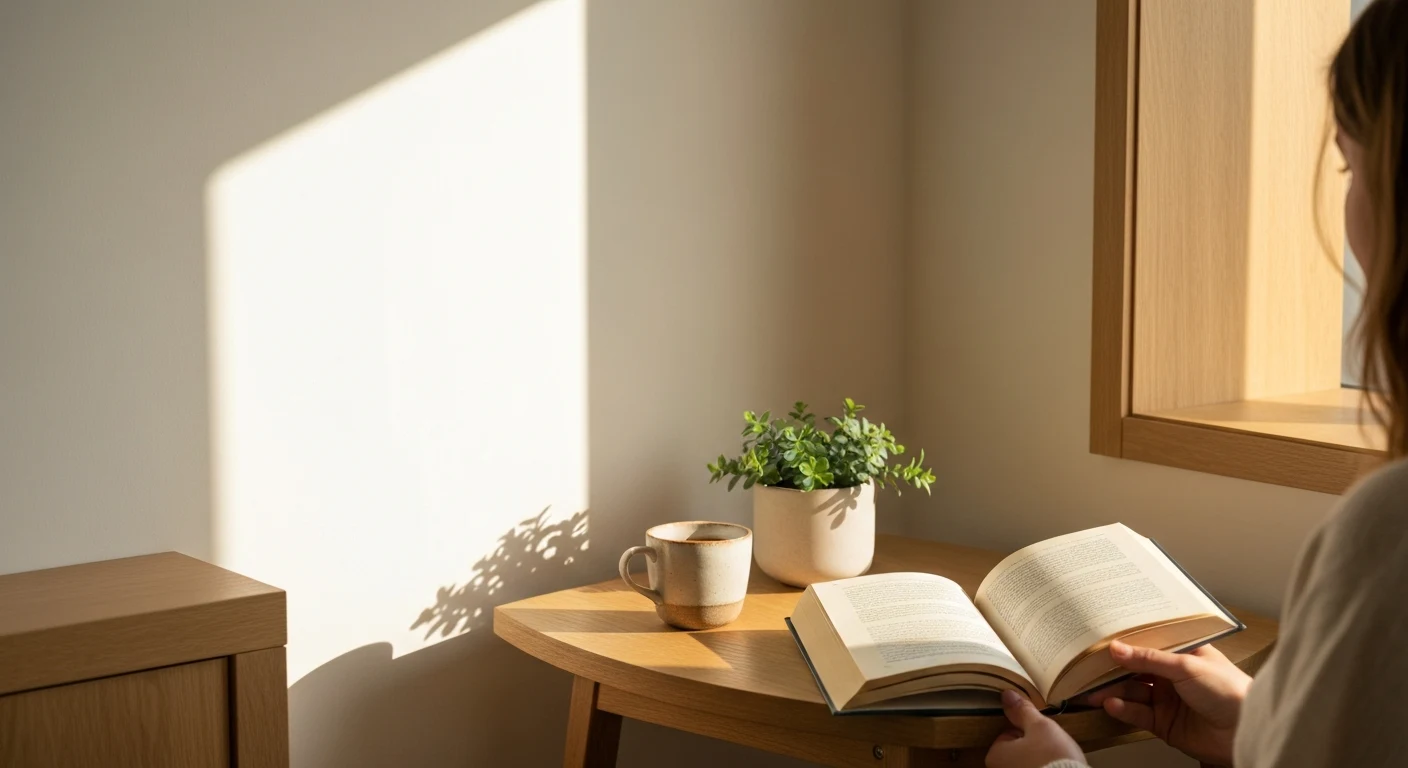
Position your nook near a window if you can. It doesn't have to be a picture-perfect window seat. Indirect natural light from a nearby window makes a real difference for morning and afternoon sessions, even if you're not sitting directly beside it.
For evening reading, direction matters more than brightness. Light coming from behind and slightly above your reading shoulder (left shoulder if you're right-handed) minimizes glare on the page and reduces eye fatigue over longer stretches. This sounds fussy. Try it once and you'll notice the difference immediately.
If your nook is in a windowless corner, our guide to decorating a room with no windows has specific strategies for building comfortable, well-lit spaces without natural light. Wall-mounted sconces work especially well in tight spots because they free up both floor and surface space.
Book Storage That Doesn't Swallow Your Room
The global space-saving and multifunctional furniture market was valued at $4.42 billion in 2024, growing at nearly 10% annually (Grand View Research, 2024). The demand reflects what small-apartment renters already know: every piece of furniture has to earn its place. Your reading nook storage can follow that same logic.
Here's what actually works in tight spaces:
- Floating wall shelves. Mounted at eye level (60 to 66 inches from the floor), two floating shelves can hold 20 to 30 books without touching your floor space. This is my first recommendation for any small reading area.
- An ottoman with internal storage. Your seating becomes your storage. A cube ottoman can hold 10 to 15 books inside while also serving as a footrest or extra seat when someone visits. One of the better double-duty moves you can make in a reading corner.
- A narrow ladder shelf. About 12 inches deep, five or six tiers. It fits beside the chair without blocking anything, holds books plus a plant plus whatever small items you want within reach. Takes almost no floor space.
- Doorway shelving. Narrow shelves mounted within an unused doorframe (one you never actually close) can hold a surprising number of books at just 3 to 4 inches depth without encroaching on either room.
If you're also thinking through how the reading chair fits into your living room more broadly, our guide to furnishing a small living room covers furniture arrangement so a reading chair integrates naturally rather than feeling tacked on as an afterthought.
Making the Nook Feel Like a Space (Not Just a Chair in a Corner)
This is the part most guides skip. The furniture is the easy part. What turns a chair in a corner into an actual reading nook is layering small details that signal this spot has a purpose. I'd argue these aren't decorative extras at all. They're behavioral cues. A throw blanket folded over the arm. A plant or small vase on the shelf. A dedicated mug you only reach for when you're reading. A candle or diffuser you light when you sit down. These things tell your brain: this is reading time. And they work.
The ritual matters as much as the furniture. Without it, the chair stays empty most nights. With it, you'll find yourself actually wanting to go there after a long day.
If you want the apartment around the nook to feel more cohesive, the guide to making your home look more spacious and bright has practical layout and color tips that apply to reading corners as much as any other area. For a room-by-room approach to the whole apartment, the small home decorating guide is worth a look too.
Frequently Asked Questions
How small can a reading nook be in an apartment?
A reading nook works in as little as a 3x3 foot area. A compact slipper chair takes roughly 26 to 28 inches of width. Add a floor lamp beside it and a wall-mounted shelf above, and you have a fully functional reading space. Size matters far less than having the right seating and lighting in place. Many of the best nooks I've seen are the smallest ones.
Do I need a window for a good reading nook?
A window helps but isn't required. Natural light reduced eye strain symptoms by 84% in Northwestern University research (2017), but a warm-white task lamp in the 2700 to 3000K range, positioned over your reading shoulder, can replicate comfortable conditions in any corner. Windowless spots work well with the right lamp. Don't let the absence of a window stop you from picking a corner.
What's the best chair for a small apartment reading nook?
A compact accent or slipper chair in the 24 to 27 inch width range works best for tight spaces. Look for firm back support (not so plush you sink), a seat depth of 18 to 20 inches, and arm height that lets you rest without hunching your shoulders. Secondhand options often run $30 to $80 and are a great starting point before you invest more.
How can I make a reading nook cozy without spending much?
A secondhand chair, a clip-on or floor lamp with a warm bulb, and a single floating shelf gets you most of the way there. Add a throw blanket and you have something genuinely comfortable to use. I've put together reading corners for under $100 total. The chair is the one item worth spending a little more on, since comfort is what determines whether you actually use the space.
Does a reading nook need to be a separate room?
Not at all. Reading nooks are appearing 48% more frequently in home listings today (Zillow, 2025), and most of them are carved from existing rooms. A rug, a chair, and a lamp are enough to define the zone visually. A living room corner or a bedroom alcove works just as well as a dedicated room. The separation is psychological, not physical.
Build It This Week
You don't need more space than you already have. You need a corner, a chair that's actually comfortable, a lamp positioned correctly, and one shelf. That's a reading nook. It doesn't have to look like a styled photoshoot to work every night.
Start with the chair. Get that right and the rest follows naturally. If you want to think about how the reading nook fits into your apartment's overall layout, the guide to decorating a studio apartment walks through how to zone different activities within a single open space without it feeling chaotic.
Reading for 6 minutes reduces stress by 68%. That's a low bar. You deserve a spot to clear it every day.
More from Studio & Small Apartment
Layout, decor, and life in studio and small apartments.
How Do You Decorate a Studio Apartment?
Wondering how to furnish your studio apartment without it feeling cramped? This guide answers your questions with smart ideas for zoning, furniture, and deco...
How to Decorate a Studio Apartment: An Expert's Guide
8 min read
How Do You Decorate a Studio Apartment?
10 min read
The Art of Studio Living: Your Complete Guide
10 min read
How to Layout a Small Apartment?
25 min read

3 Flawless Layouts and 5 Real-Life Studio Solutions
21 min read
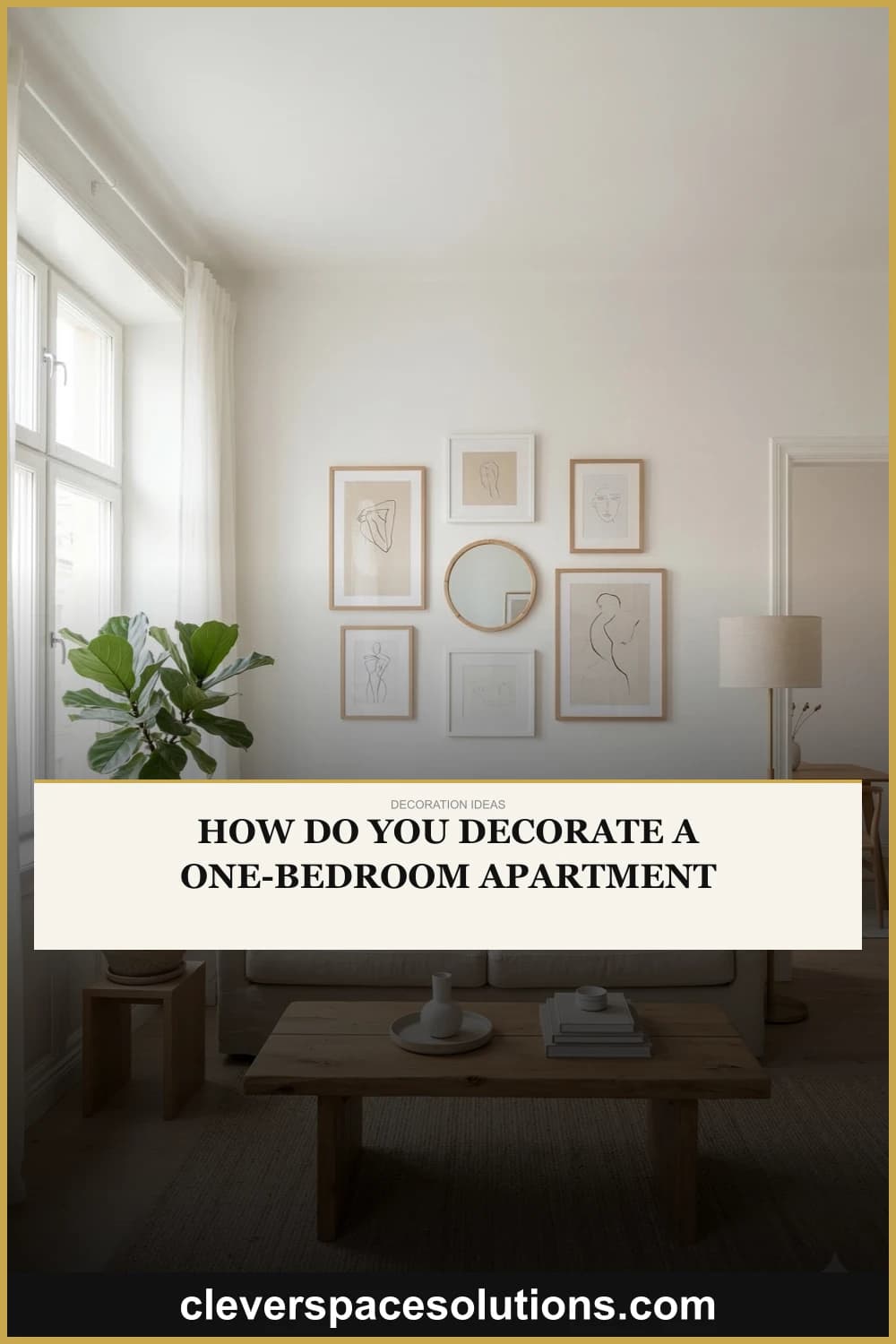
How Do You Decorate a One-Bedroom Apartment?
18 min read
Tags

Written by Joesp H.
Interior Design & Small Space Living Specialist
Former marketing manager turned full-time home optimizer. After living in 7 homes ranging from 450 to 2,000 sq ft, I started CleverSpaceSolutions to help people create organized, functional spaces on real budgets.
Other Articles
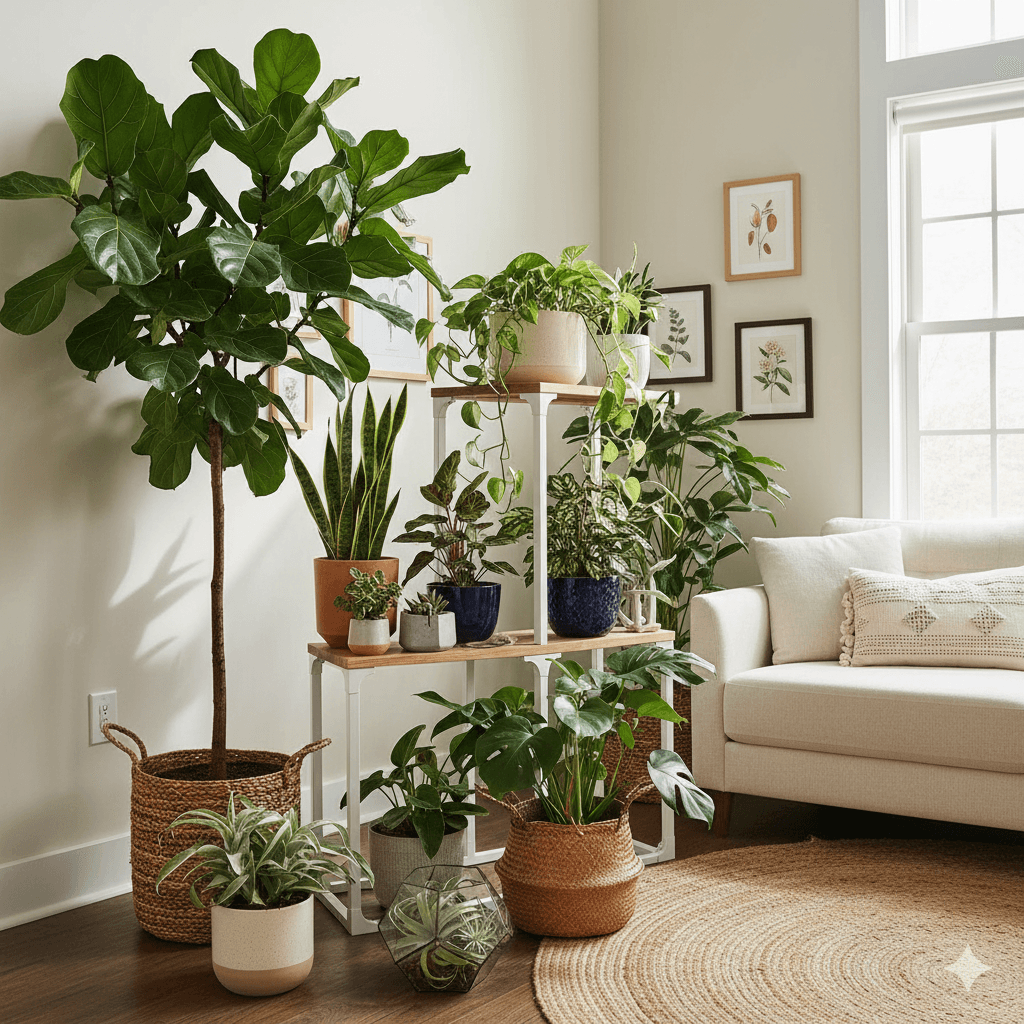
What to Put in an Empty Corner? 10 Genius Ideas
Wondering what to do with that awkward, empty corner? This guide answers with 10 genius ideas, from creating a reading nook to designing a stylish workspace.
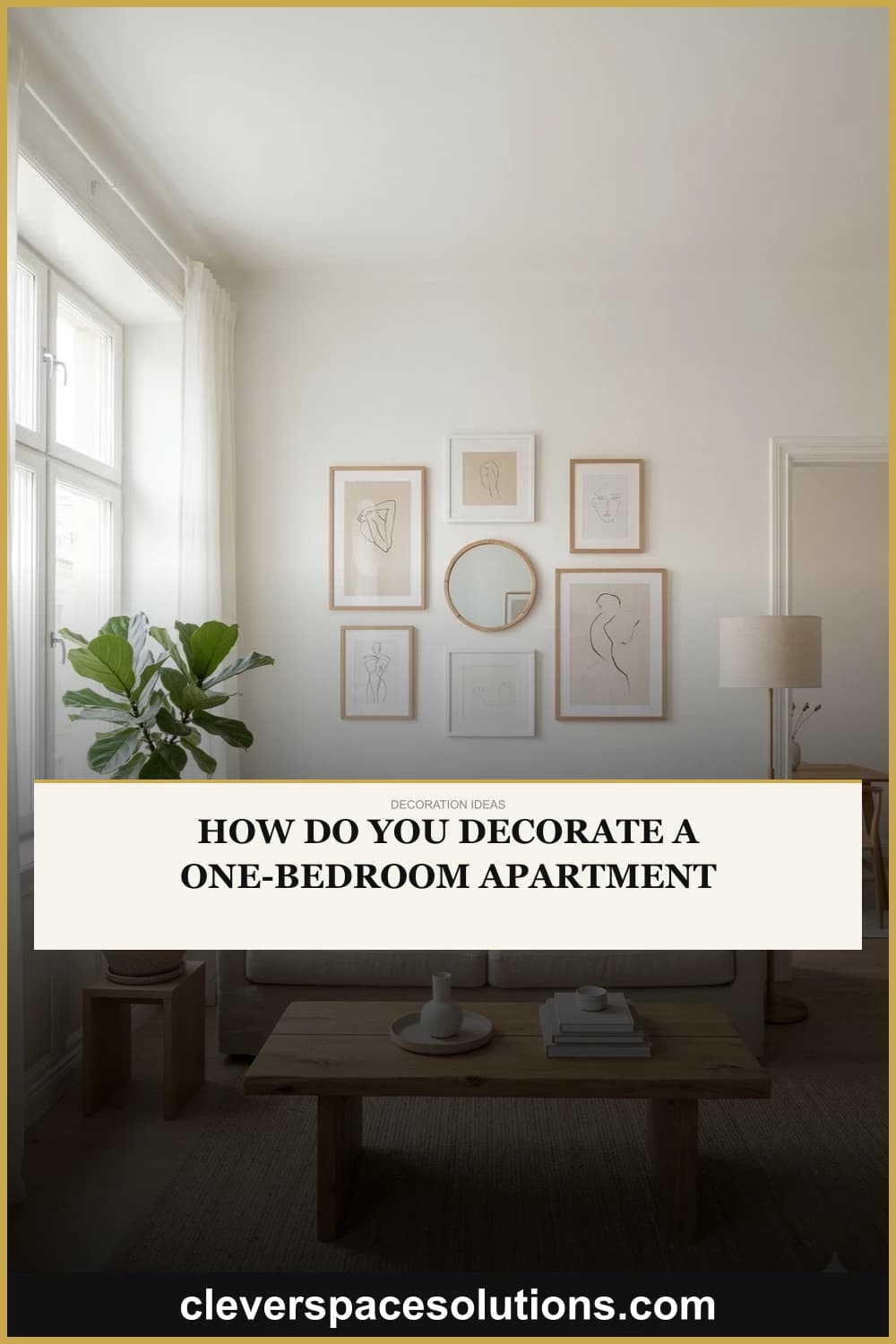
How Do You Decorate a One-Bedroom Apartment?
Wondering how to make the most of your one-bedroom apartment? This guide answers your questions with smart ideas for furniture, layout, and storage to create...
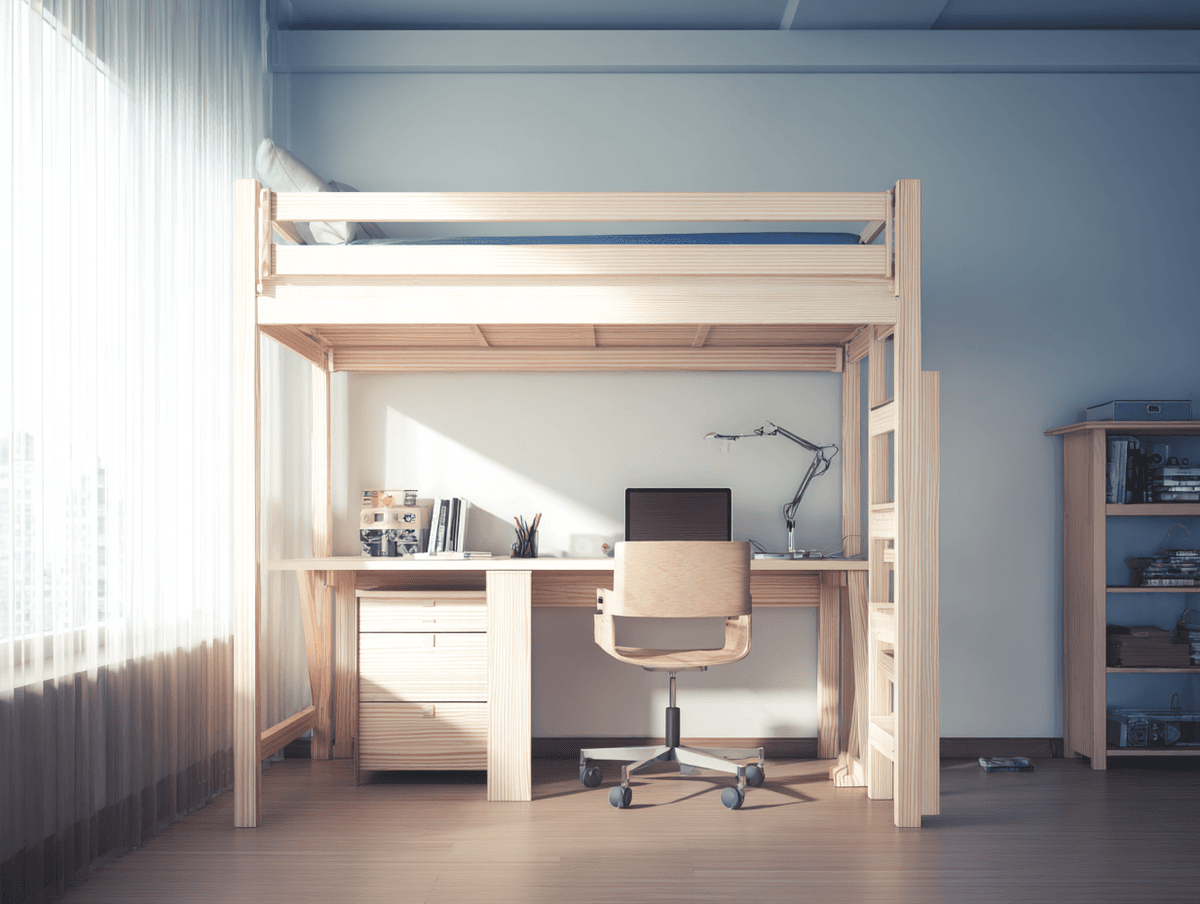
How Do You Decorate a Studio Apartment?
Wondering how to furnish your studio apartment without it feeling cramped? This guide answers your questions with smart ideas for zoning, furniture, and deco...