Biophilic Design for Small Apartments: How to Create a Living Green Corner
Turn your small apartment into a calming green sanctuary. Practical biophilic design tips, plant picks by light level, renter-friendly mounting, and budget breakdowns from $10 to $1,200.
Biophilic Design for Small Apartments: How to Create a Living Green Corner
Biophilic spaces score +1.74 on the PANAS stress-recovery scale compared to -0.37 for spaces with zero natural elements, a 2.11-point positive shift across 255 participants (PLoS ONE / PMC11878902, 2025). That's not a minor mood boost. That's a measurable, replicated psychological shift triggered by nothing more than plants, natural light, and organic textures in your living space. And you don't need a 2,000-square-foot home to get it.
I've been building green corners in small apartments for the past six years. I've killed plants I shouldn't have bought, over-spent on designs that didn't suit my light, and eventually found a system that works in under 100 square feet. This guide covers everything: the science, the plant selection, the renter-friendly mounting, the budget math, and the free-plant strategy that keeps it all going without ongoing costs.
Whether you're in a 457-square-foot studio or a one-bedroom with a single north-facing window, there's a biophilic setup that fits. Let me walk you through it.
TL;DR: Biophilic design measurably reduces stress (+2.11 points on the PANAS scale, PLoS ONE 2025) and costs as little as $0 if you start with propagated cuttings. Match plants to your actual light levels first, use renter-friendly mounting for vertical space, and layer in natural textures beyond plants. A complete green corner costs $30 to $150 for most small apartments.

What Does Biophilic Design Actually Do to Your Brain and Body?
Research published in Scientific Reports found that nature exposure increased worker vigor and fully mediated job well-being outcomes, with nature relatedness showing a standardized effect of 0.288 on overall well-being across 345 and 291 white-collar workers (Scientific Reports, 2024). That effect holds even for indirect nature contact, like looking at plants or hearing a water feature from across a room.
The term "biophilic" comes from biologist E.O. Wilson's hypothesis that humans have an innate need to connect with living systems. In practice, biophilic design translates that into built environments: plants, natural light, organic materials, water features, and nature-derived colors. Your brain evolved in natural settings over hundreds of thousands of years. A space with leaves and wood and filtered light feels safe in a way that blank walls simply don't.
What surprised me when I first read the research is that the effect doesn't require a lot of nature. Even a single plant on a desk reduces self-reported stress in controlled studies. The threshold for benefit is low. You don't need a jungle apartment. You need intentional placement of a few well-chosen elements where you actually spend time.
The practical implication for apartment living is this: target the spaces where you spend the most stationary time. For most people, that's the sofa corner, the desk, and the bedroom. A single trailing pothos at eye level while you're sitting down delivers more psychological benefit than three plants shoved in a corner you never look at.
The Truth About Plants and Air Quality
This one might sting if you've been told otherwise. It would take 10 to 1,000 plants per square meter to meaningfully match a building's air handling system, according to a Drexel University analysis of the famous NASA 1989 study (Journal of Exposure Science, 2019). The NASA research was conducted in sealed chambers, not ventilated apartments. The air exchange in a real home renders the effect negligible at typical plant densities.
I'm telling you this not to discourage you from plants, but to free you from buying them for the wrong reason. You don't need 47 plants to clean your air. You need your HVAC filter changed and a window cracked. What plants do exceptionally well is something HVAC systems cannot: they make you feel better by being alive, green, and present. That's the actual mechanism worth investing in.
In my own apartment, I tested this mentally by asking myself which plants I'd keep if they did nothing for air quality at all. The answer was: all of them. Because they make the space feel warm and alive, they give me something to tend, and the act of caring for them reduces my stress more than their biochemistry does. Buy plants for the right reasons, and you'll make better choices about which ones to get.
The 33.1 million U.S. households that participate in indoor houseplant gardening and drove spending from $2.3 billion in 2022 to $3.4 billion in 2023 (National Gardening Association 2024 Survey) aren't doing it because their apartments needed detoxifying. They're doing it because plants make homes feel like homes. That's the honest sell.
Know Your Light: The Single Most Important Factor
The University of Florida IFAS Extension classifies low-light plants as thriving at 25 to 100 foot-candles, medium-light plants as needing 100 to 500 foot-candles, and bright-indirect plants as requiring 500 to 1,000 foot-candles (University of Florida IFAS Extension). A north-facing apartment window may never exceed 400 foot-candles, even in summer. Buying a high-light plant for a dim apartment is how you end up with dead plants and the belief that you "can't grow anything."
Before you buy a single plant, measure your light. You don't need a meter. Stand at your window at noon on a clear day. If you can read comfortably without turning on a lamp, you're in the medium range. If it feels dim even then, you're in low-light territory. If you have a south or west-facing window with direct sun for several hours, you have bright indirect and some direct-light capability. That assessment takes 60 seconds and determines everything else in this guide.
Renting complicates this further. Window direction is fixed. You can't knock out a wall for more light. What you can do is choose plants rated for your actual conditions rather than the conditions you wish you had. I learned this by killing two fiddle leaf figs in a north-facing apartment before someone told me plainly: those plants want a greenhouse, not a Chicago studio facing an alley.
Which Plants Are Actually Best for Small Apartments?
Pothos sales reportedly increased 45 times in five years according to plant retailers, and snake plant and ZZ plant consistently rank as top sellers for low-light demand (Terrarium Tribe, 2026). Those numbers reflect market reality: renters in apartments with typical light conditions keep gravitating toward the same proven, forgiving plants. The following eight choices are ranked by forgiving-to-demanding ratio, not aesthetics.
| Plant | Light Need | Watering | Why It Works in Small Spaces | Avg. Cost |
|---|---|---|---|---|
| Pothos (Epipremnum aureum) | Low to medium | Every 1-2 weeks | Trails from shelves, fills vertical space, nearly unkillable | $10-$20 |
| Snake Plant (Sansevieria) | Low to bright indirect | Every 2-6 weeks | Upright form fits narrow corners, tolerates neglect | $12-$30 |
| ZZ Plant (Zamioculcas) | Low to medium | Every 2-3 weeks | Glossy leaves, slow growth, perfect for dim apartments | $15-$35 |
| Heartleaf Philodendron | Medium | Every 1-2 weeks | Grows fast, trails or climbs, easy to propagate for free | $10-$20 |
| Peace Lily (Spathiphyllum) | Low to medium | Every 1-2 weeks | Flowers in low light, droops visibly when thirsty (easy signal) | $12-$25 |
| Spider Plant (Chlorophytum) | Medium to bright indirect | Every 1-2 weeks | Produces pups for free propagation, works in hanging baskets | $5-$15 |
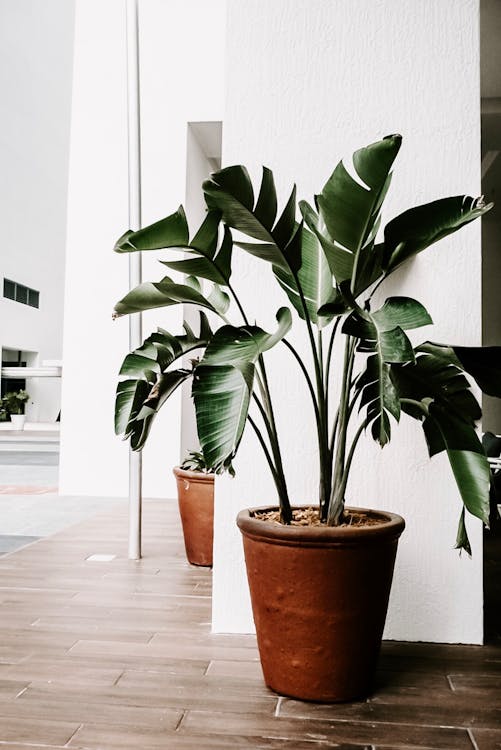
| Monstera Deliciosa | Bright indirect | Every 1-2 weeks | Statement leaf shape, works as a single bold floor plant | $50-$150 |
| Rubber Plant (Ficus elastica) | Bright indirect | Every 1-2 weeks | Rich burgundy or green leaves, architectural shape | $20-$60 |
Pinterest's 2026 Predicts report names bold statement plants including ficus, fiddle leaf fig, and rubber plant as top biophilic elements, with plants ranking as the number one saved element in home design boards (Pinterest Predicts, 2026). If you have the light for it, one bold floor plant creates more visual impact than six small ones scattered around a room. If you don't have the light, the ZZ and snake plant route will serve you better than a struggling Monstera ever could.
5 Ways to Build Your Green Corner Without Wasting Space
The global indoor plants market reached $13.12 billion in 2025 and is projected to climb to $16.36 billion by 2031 at a 3.75% CAGR (Mordor Intelligence, 2026). That growth is being driven partly by apartment dwellers who are getting creative about placement in tight spaces. Here are the five spatial strategies I've used and recommend.
The Shelf Stack
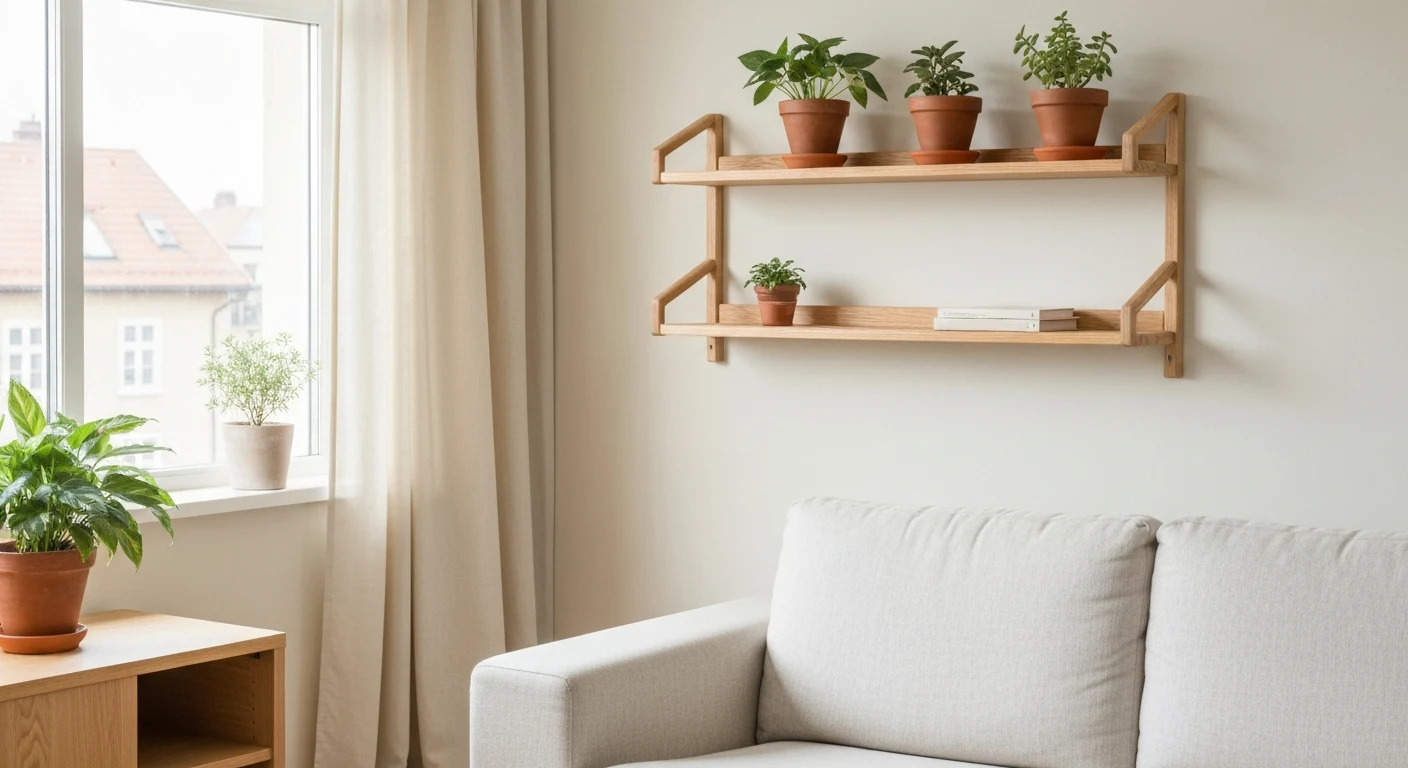
A three-tier floating shelf cluster on one wall creates a vertical garden without using any floor space. Place trailing plants (pothos, heartleaf philodendron, string of pearls) on the top shelf so they cascade down. Place upright plants (snake plant, ZZ) on lower shelves. Keep a consistent pot color palette so the shelf reads as intentional rather than cluttered.
The shelf stack works especially well near a reading nook or cozy corner where you'll be at eye level with the foliage. Sitting next to a living plant wall, even a small one, is when the stress-reduction effect kicks in most reliably in my experience.
The Hanging Macrame Basket

Hanging planters use ceiling and upper-wall space that's otherwise empty in most apartments. A single macrame basket with a trailing pothos or spider plant fills that dead zone beautifully. I use ceiling hooks rated for at least 15 pounds, even for small plants, because the pot plus soil plus water adds up fast. For renter-friendly ceiling attachment, see the section below on mounting without drill holes.
The Windowsill Row
A windowsill is the most valuable real estate in a plant collection because it has guaranteed light. A row of small to medium pots in matching terracotta or ceramic keeps the look cohesive. I use deeper saucers than the pots require so I can water thoroughly without overflow. Three to five plants on a single windowsill can supply cuttings for propagation indefinitely, which we'll cover in a later section.
Wall-Mounted Planters
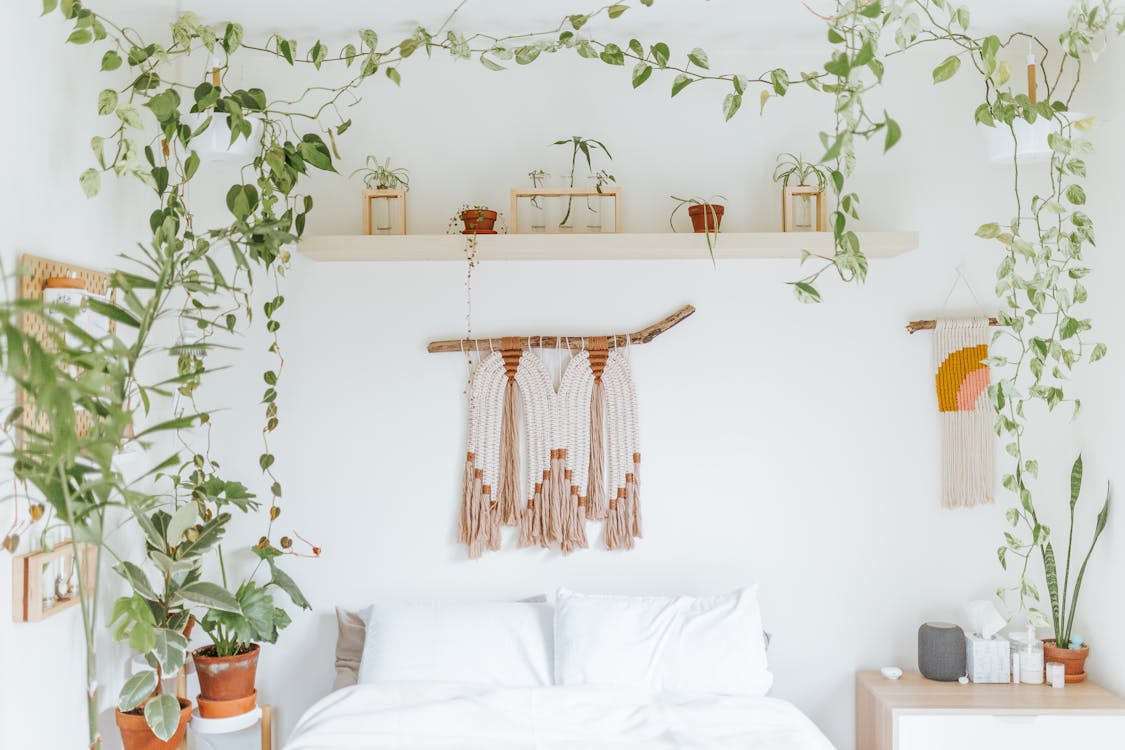
Small wall-mounted pocket planters work well for air plants and small succulents that don't need deep soil. They're also a great solution if you want a decorative arrangement without the footprint of shelves. If you need mounting solutions that won't damage your walls, the renter-friendly wall decor approach applies here too: adhesive strips rated for the planter weight, or leaning ladder-shelf systems that press against the wall without anchoring.
The Floor Corner Statement Plant
One large floor plant in a corner can anchor a whole room. A Monstera deliciosa in a 10-inch or 12-inch pot with a decorative planter cover becomes the focal point of a small living room setup without competing with furniture for visual attention. The key is scale: the plant should be at least 18 to 24 inches tall to read as intentional rather than small and lost in the corner.
Renter-Friendly Mounting Without a Single Drill Hole
With 35% of U.S. households, or 44.6 million homes, in rental situations (iPropertyManagement citing ACS, 2026), the question of how to hang things without losing your security deposit is relevant to a huge share of plant lovers. The answer is not "don't hang anything." The answer is knowing your load limits and choosing the right system.
Command strips and adhesive hooks work for lightweight planters under 5 pounds total. Check the weight rating before you commit, and follow the installation instructions exactly: clean the wall, press for 30 full seconds, wait 60 minutes before adding load. I've had these hold for 18 months in a plaster wall apartment without a single failure.
For heavier loads, tension rod systems across window alcoves can support multiple hanging pots on S-hooks without touching the wall at all. A curtain tension rod rated for 30 pounds, set into a window recess, can hold four or five hanging planters. I've used this setup in two apartments and it works beautifully for pothos and philodendron.
Leaning ladder shelves are another strong option for wall-adjacent plant display. They lean against the wall at an angle, require no anchoring, and can hold significant weight on their rungs. A 5-foot ladder shelf near a window covers vertical space without drilling a single hole. Pair it with a floor protector pad to avoid scratching the baseboard. For more damage-free wall decor ideas beyond plants, that guide covers the full range of renter-safe mounting techniques.
How to Budget Your Green Corner: From $10 to $1,200 and Beyond
Common houseplants retail at $10 to $30 for most varieties, while Monstera deliciosa runs $50 to $150 depending on size and leaf development (Monstera Plant Resource / Coohom, 2024). Professional preserved moss walls cost $80 to $120 per square foot installed, with complex designs reaching $125 to $300 or more per square foot (Green Oasis / CSI Creative, 2024-2025). There's a workable green corner at every budget point between those extremes.
The $30 to $80 Starting Point
For most people starting a green corner, $30 to $80 covers two to four plants, two or three matching pots, and a bag of potting mix. Start with one pothos ($12 to $15) and one snake plant ($15 to $20). Add a macrame hanger for the pothos ($8 to $12) and a simple ceramic pot for the snake plant ($10 to $15). That's a complete, functional green corner for under $60.
The $150 to $300 Developed Corner
At this budget, you can add a statement floor plant (Monstera, $50 to $80 for a mid-size specimen), a floating shelf cluster ($30 to $50 from IKEA or Amazon), and two or three more supporting plants. This is the level where a green corner starts to feel designed rather than just assembled. I'd recommend spending one month at the starter level before scaling up, so you learn which corners of your specific apartment actually support plant growth.
The $800 to $1,200 Moss Wall Option
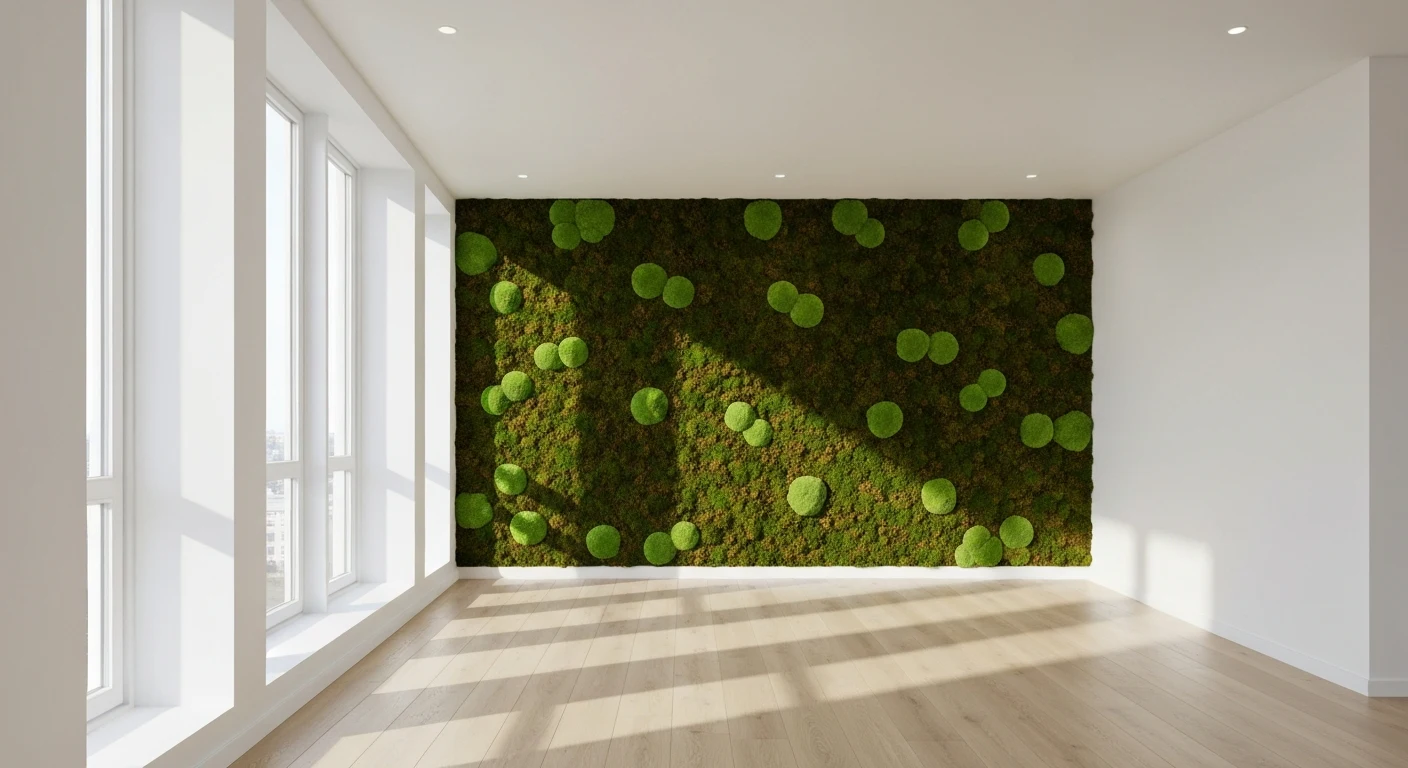
Preserved moss walls are the premium biophilic option for renters who want maximum visual impact with zero ongoing maintenance. Unlike living moss, preserved moss requires no irrigation, no grow lights, and no soil. It's stabilized with glycerin and maintains its texture and color for years. A 10-square-foot preserved moss panel runs $800 to $1,200 installed. Since it attaches to the wall rather than being drilled into structure, some landlords allow it. Get written permission first.
Free Plants Forever: Propagation Basics
Once you own one pothos or philodendron, you can produce unlimited new plants for free. This is one of the most practical but under-discussed aspects of apartment plant ownership, and it ties directly into keeping your storage ideas and plant care supplies organized without accumulating a lot of equipment.

Water Propagation (The Easiest Method)
Cut a stem just below a node (the bump or joint where a leaf meets the stem). Place the cutting in a glass of water so the node is submerged but the leaves are not. Put it on your windowsill where it gets medium to bright indirect light. Change the water every three to four days. Roots appear in two to four weeks for pothos and philodendron. Once roots are half an inch long, transfer to soil.
I currently have six plants in my apartment that started as cuttings from the two pothos I bought two years ago. Those original plants also gave cuttings to three friends and neighbors, who then gave me cuttings of their plants. It's an ongoing exchange that costs nothing and keeps the collection growing and changing. This is the part of plant ownership that nobody tells you about when you're standing in the garden center trying to decide between two $20 pots.
What Propagates Easily
- Pothos: stem cuttings in water, roots in 2-3 weeks
- Heartleaf Philodendron: same as pothos, very reliable
- Spider Plant: produces hanging "pups" that can be snipped and potted directly
- Snake Plant: leaf cuttings in water or soil, slower (4-8 weeks) but works reliably
- ZZ Plant: leaf cuttings in soil, very slow (6-12 weeks) but low effort
75% of houseplant purchases were influenced by social media in 2023, with millennials representing 52% of houseplant buyers (Gitnux citing Statista/IBISWorld, 2026). A lot of that influence shows up as propagation content because it democratizes plant ownership. You don't need to spend $150 every time you want to add a plant. You need one healthy mother plant and some patience.
Beyond Plants: Natural Materials, Light, and Water Features
The biophilic design market is projected to reach $3.14 billion by 2028 at a 10.2% CAGR (Global Market Insights, 2023), and most of that growth is coming from materials and lighting products, not just plants. This matters because plants alone are only one layer of biophilic design. The full effect comes from combining living elements with natural materials and quality light.
Natural Materials
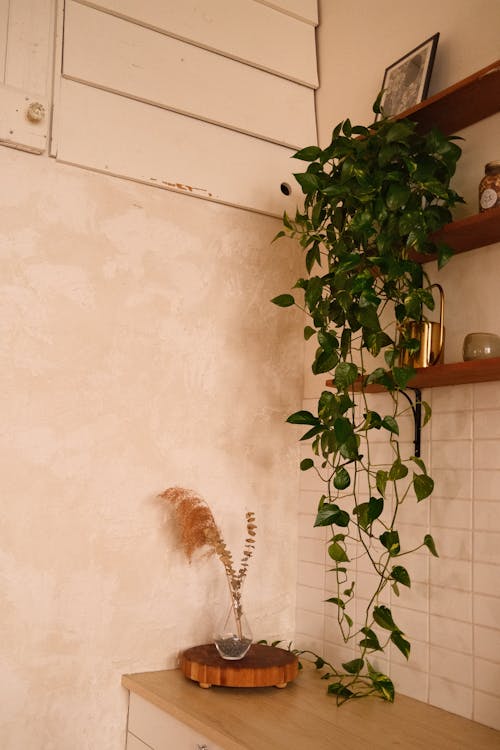
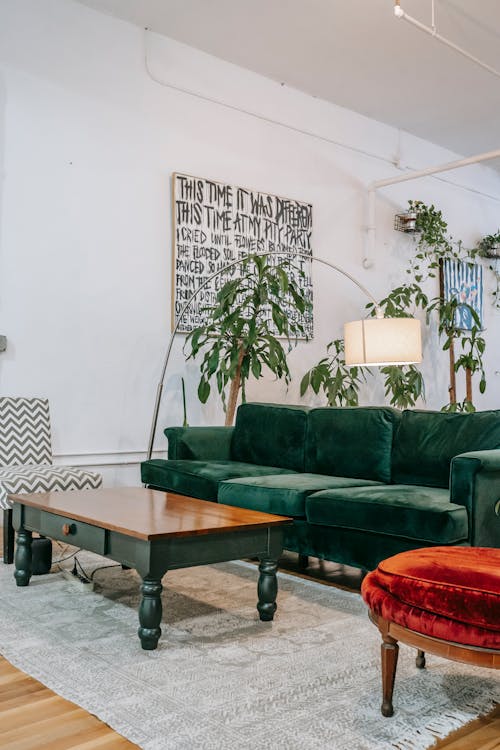
Swap plastic and synthetic textiles for natural alternatives wherever possible. Jute rugs, linen cushion covers, rattan or wicker baskets as plant holders, wooden shelves and trays, unglazed terracotta pots. None of these are expensive changes. A $12 jute placemat used as a shelf liner under your plant pots adds organic texture without spending anything significant. These materials work with your plant color palette in the same way that color and plant combinations work to create visual coherence.
Light Quality
Daylight-spectrum bulbs (5,000K to 6,500K) serve double duty: they support plant growth under low natural light and they replicate the quality of natural daylight for human mood. A $15 to $25 grow light bulb in a standard lamp socket gives you both. If you're dealing with a challenging space, our guide on windowless room plants and decorating covers exactly this situation in more depth.
Small Water Features
A tabletop fountain is one of the most effective biophilic additions for stress reduction because it adds the auditory dimension of nature, not just the visual. Small USB-powered tabletop fountains run $20 to $50. The sound of moving water activates the same psychological calming response as being near a stream. It sounds impractical for an apartment, but the models available now are small enough to sit on a side table and quiet enough that they don't disrupt sleep or conversation.
Outdoor Extension
If you have a balcony or a small outdoor area, extending your biophilic design outward doubles the impact. A few well-chosen container plants, a small herb planter, and a couple of weather-resistant natural-material pieces can transform a bare balcony into a genuine outdoor green space. Our full guide on balcony garden ideas covers the specifics of outdoor container selection and seasonal planning.
Entryway Biophilic Design
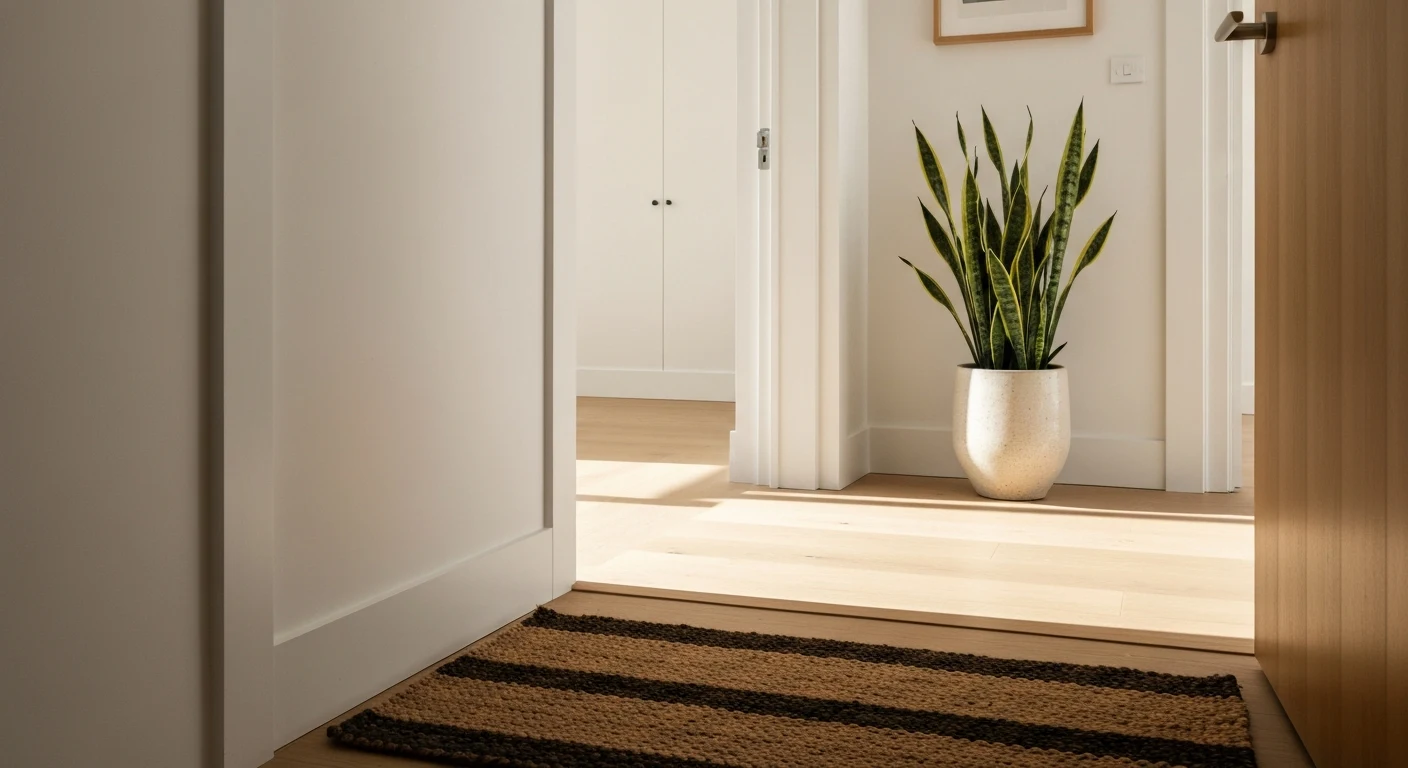
Don't overlook the entryway as a biophilic opportunity. A single snake plant or ZZ in a corner near the door, a rattan hook rail, and a jute mat create a natural arrival sequence that resets your mood when you come home. If you're working on building an entry area from scratch in an apartment without a defined one, our guide on entryway plants and apartment entryway design walks through the setup process step by step.
FAQ: Biophilic Design for Small Apartments
How many plants do I actually need for a biophilic effect?
Research shows the psychological benefit kicks in with even one plant placed where you regularly look at it. The PLoS ONE 2025 study showing a 2.11-point PANAS stress-recovery shift didn't require dozens of plants per participant. Start with two or three well-placed plants before expanding. Quality of placement matters more than quantity of plants in a small space.
What if I travel frequently or forget to water?
Snake plant, ZZ plant, and pothos are your three options. Snake plants can go four to six weeks without water in cool seasons. ZZ plants store water in their rhizomes and survive similar neglect. Pothos may droop but recovers quickly after watering. You can also use self-watering pots with a reservoir, which extend the gap between watering to two to three weeks for most species.
Can I do biophilic design if I have pets?
Yes, but plant selection matters. Many common houseplants are toxic to cats and dogs. Safe options for pet households include spider plants, Boston ferns, calathea, and peperomia. Avoid pothos, philodendron, ZZ plant, peace lily, and snake plant if your pets chew on leaves. The ASPCA maintains a searchable toxic plant database that's the most reliable reference for this.
How do I keep pests away from apartment plants?
The most common apartment plant pests are fungus gnats, spider mites, and mealybugs. Fungus gnats come from overwatered soil, so letting the top inch of soil dry between waterings eliminates 90% of the problem. For mites and mealybugs, a diluted neem oil spray (one teaspoon per liter of water) applied every two weeks as a preventive measure works well without introducing harsh chemicals into a small indoor space.
Can I use grow lights to compensate for bad natural light?
Yes, and grow lights are more effective than most people expect. Full-spectrum LED grow bulbs (at least 1,500 lumens, 5,000K to 6,500K) can support most low to medium light plants when placed 6 to 12 inches from the foliage for 12 to 14 hours per day. They won't support high-light species like fiddle leaf figs, but they work well for pothos, snake plant, ZZ, philodendron, and peace lily in apartments with minimal windows. Our guide on decorating without natural light covers grow light placement in more detail.
Start Small, Stack the Benefits Over Time
Biophilic design is not a renovation project. It's a habit. The evidence that living elements measurably reduce stress and improve well-being is solid enough to act on, and the cost of starting is genuinely low. A $12 pothos on a windowsill is a legitimate biophilic intervention. Two propagated cuttings in glass vases cost nothing and demonstrate the principle completely.
The average U.S. apartment sits at 908 square feet, with studios averaging just 457 square feet (RentCafe, February 2025). There's not a lot of room to work with. But the research consistently shows that the density of biophilic elements matters less than their strategic placement. One plant you look at every day does more for you than five plants in a corner you ignore.
Start by assessing your light. Pick two plants rated for your actual conditions. Find a spot where you'll see them when you're relaxed and sitting still. Add natural materials and textures gradually as budget allows. Let your first plants produce cuttings before buying more. The green corner builds itself over time if you give it the right foundation.
If you're working on making your apartment feel more cohesive overall, the biophilic layer works best when it's integrated with your broader setup. Our guide on furniture for small spaces covers the layout decisions that create the right home base for a green corner to anchor.
More from Studio & Small Apartment
Layout, decor, and life in studio and small apartments.
How Do You Decorate a Studio Apartment?
Wondering how to furnish your studio apartment without it feeling cramped? This guide answers your questions with smart ideas for zoning, furniture, and deco...

How to Decorate a Studio Apartment: An Expert's Guide
8 min read
How Do You Decorate a Studio Apartment?
10 min read

The Art of Studio Living: Your Complete Guide
10 min read
How to Layout a Small Apartment?
25 min read
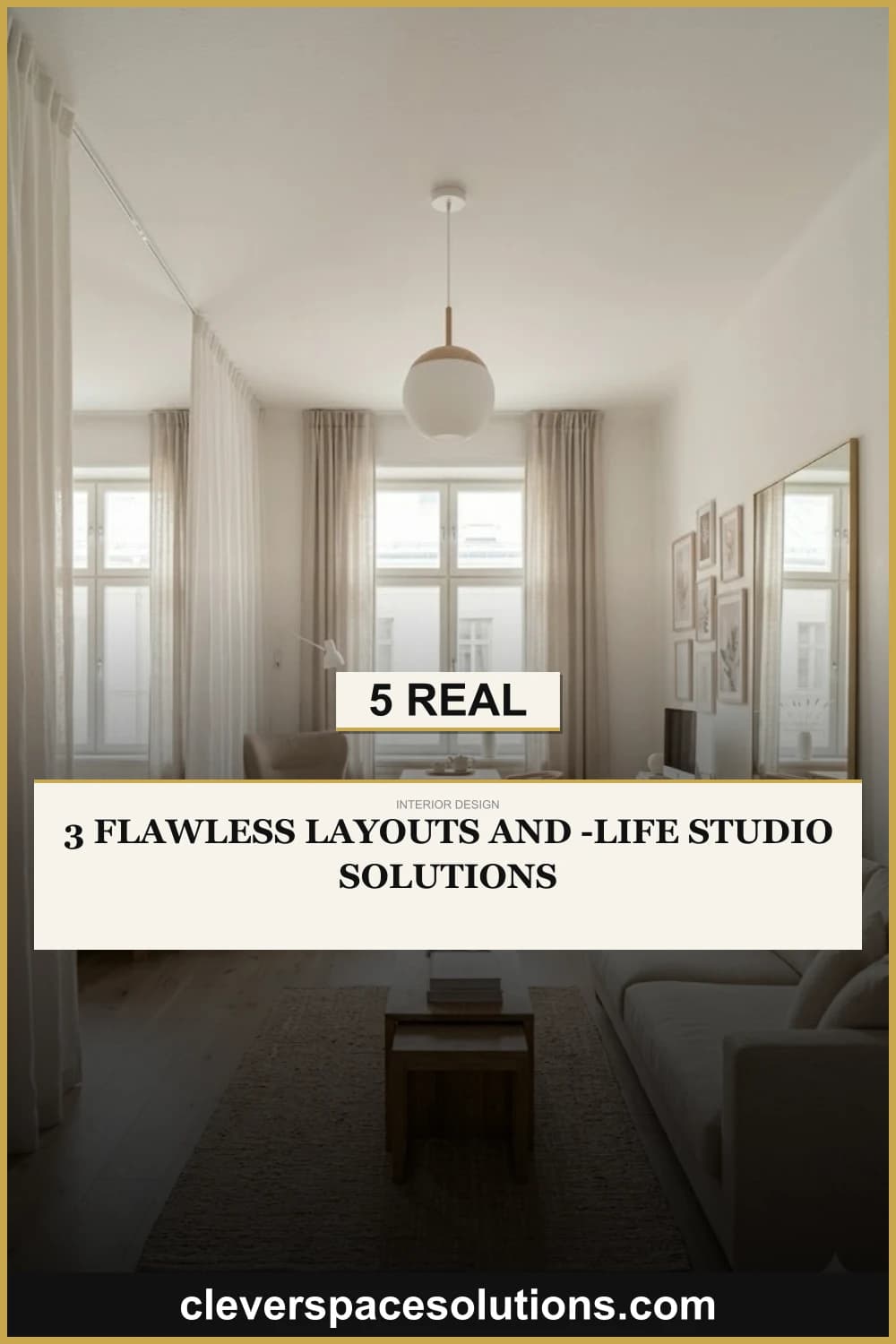
3 Flawless Layouts and 5 Real-Life Studio Solutions
21 min read
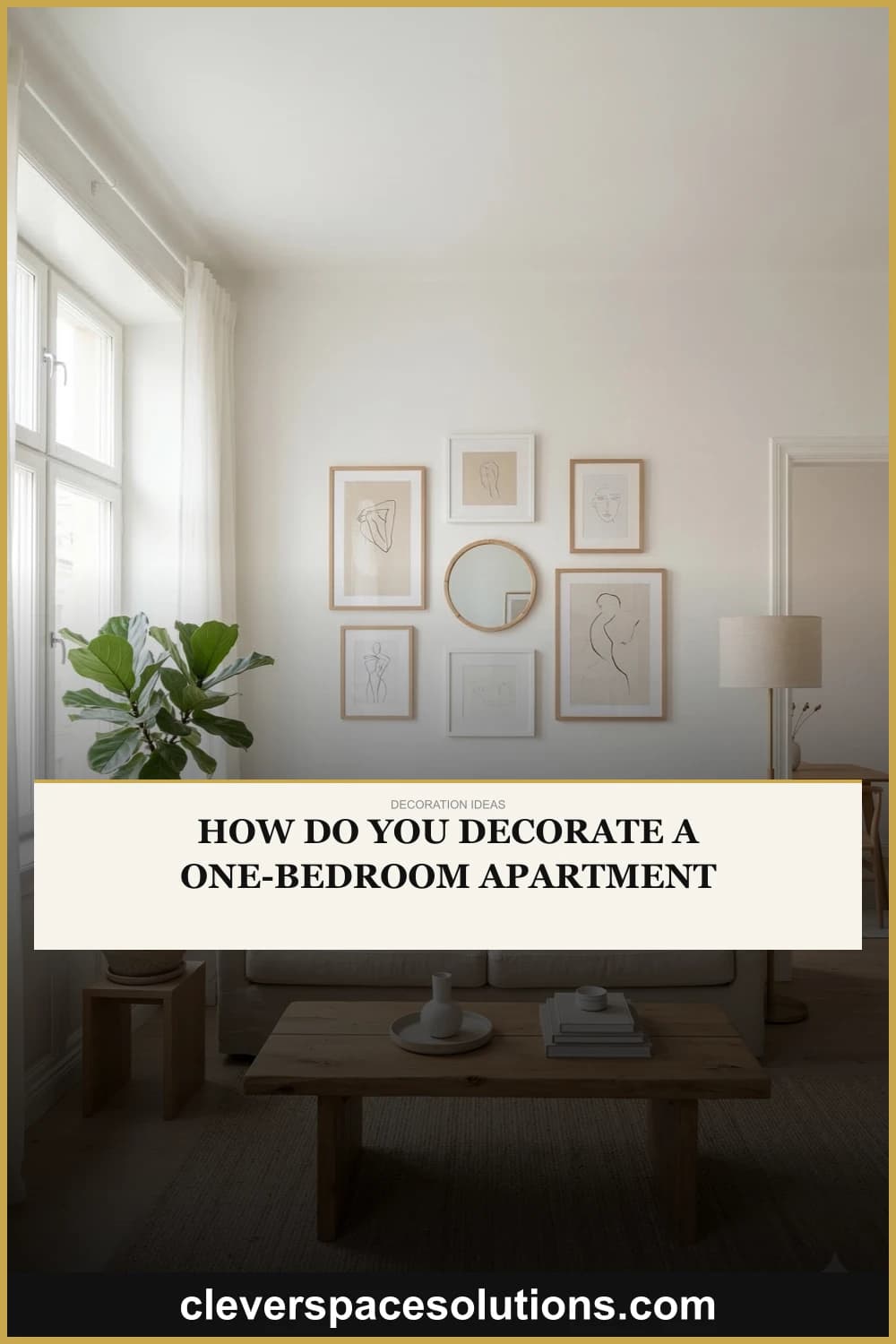
How Do You Decorate a One-Bedroom Apartment?
18 min read
Tags

Written by Joesp H.
Interior Design & Small Space Living Specialist
Former marketing manager turned full-time home optimizer. After living in 7 homes ranging from 450 to 2,000 sq ft, I started CleverSpaceSolutions to help people create organized, functional spaces on real budgets.
Other Articles
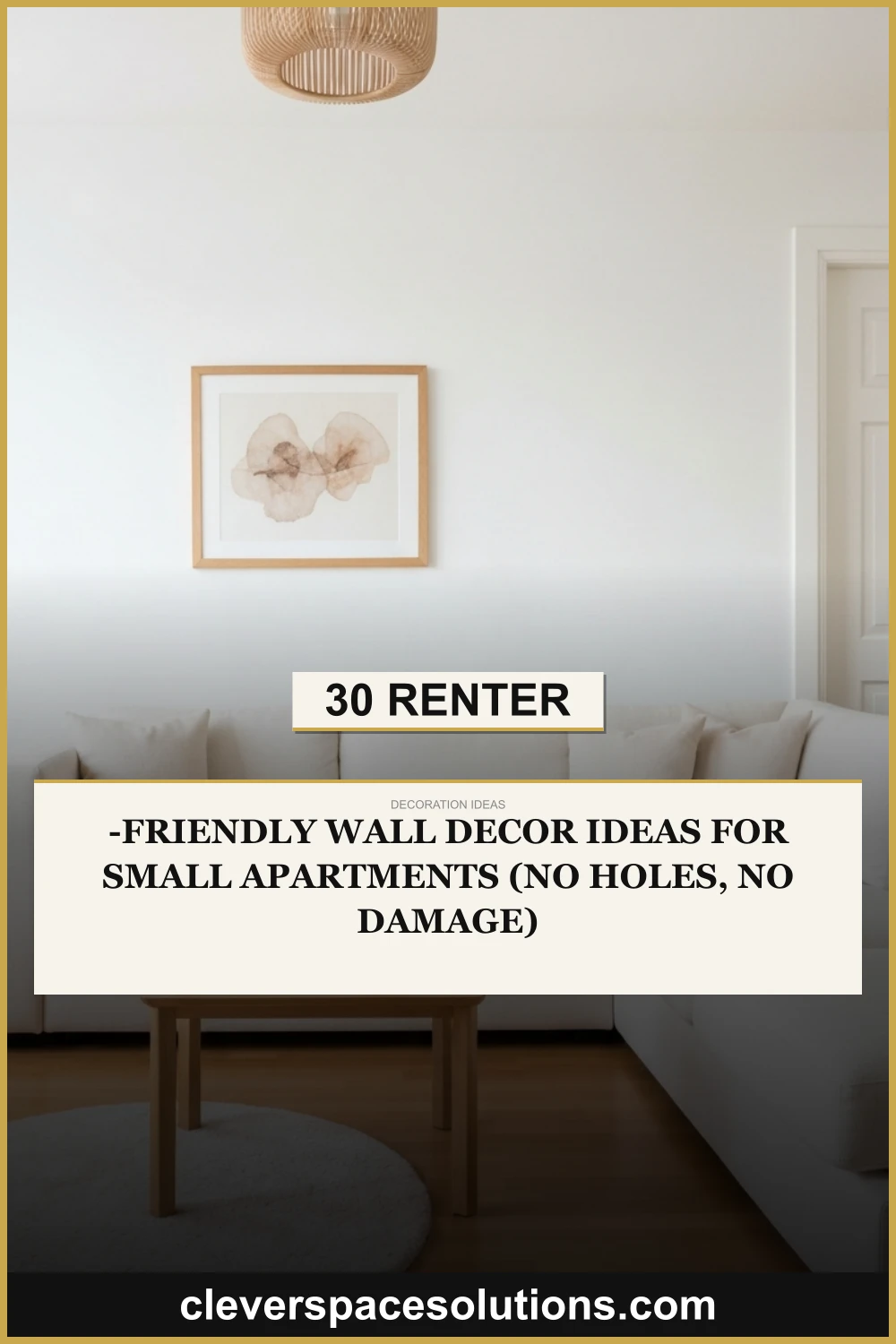
30 Renter-Friendly Wall Decor Ideas for Small Apartments (No Holes, No Damage)
Discover 30 renter-friendly wall decor ideas that need zero holes. Command strips, peel-and-stick wallpaper, leaning art, and more. Protect your deposit.
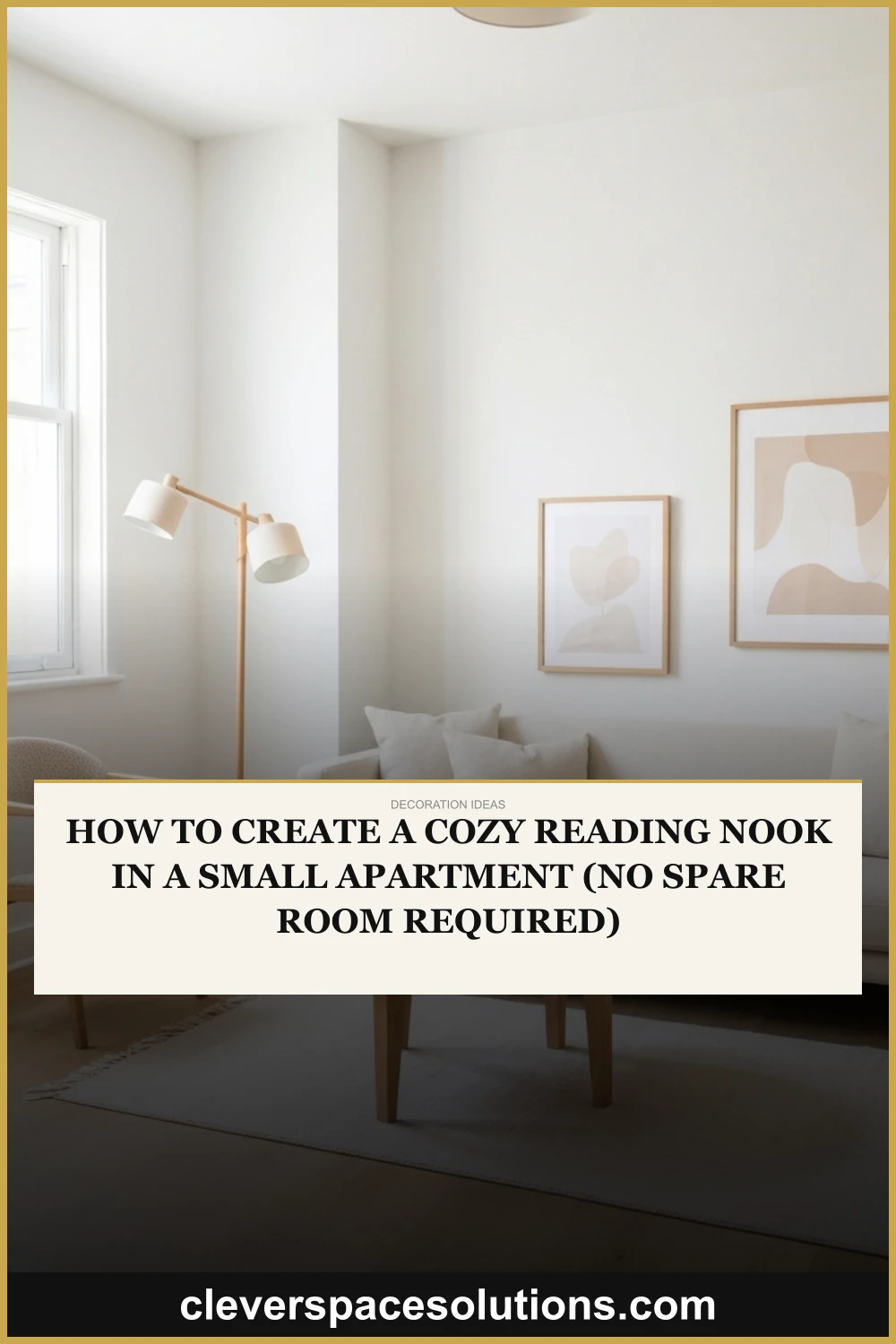
How to Create a Cozy Reading Nook in a Small Apartment (No Spare Room Required)
Create a cozy reading nook in a small apartment with no spare room needed. A chair, a lamp, one shelf — and reading just 6 minutes cuts stress by 68%. Here's how.
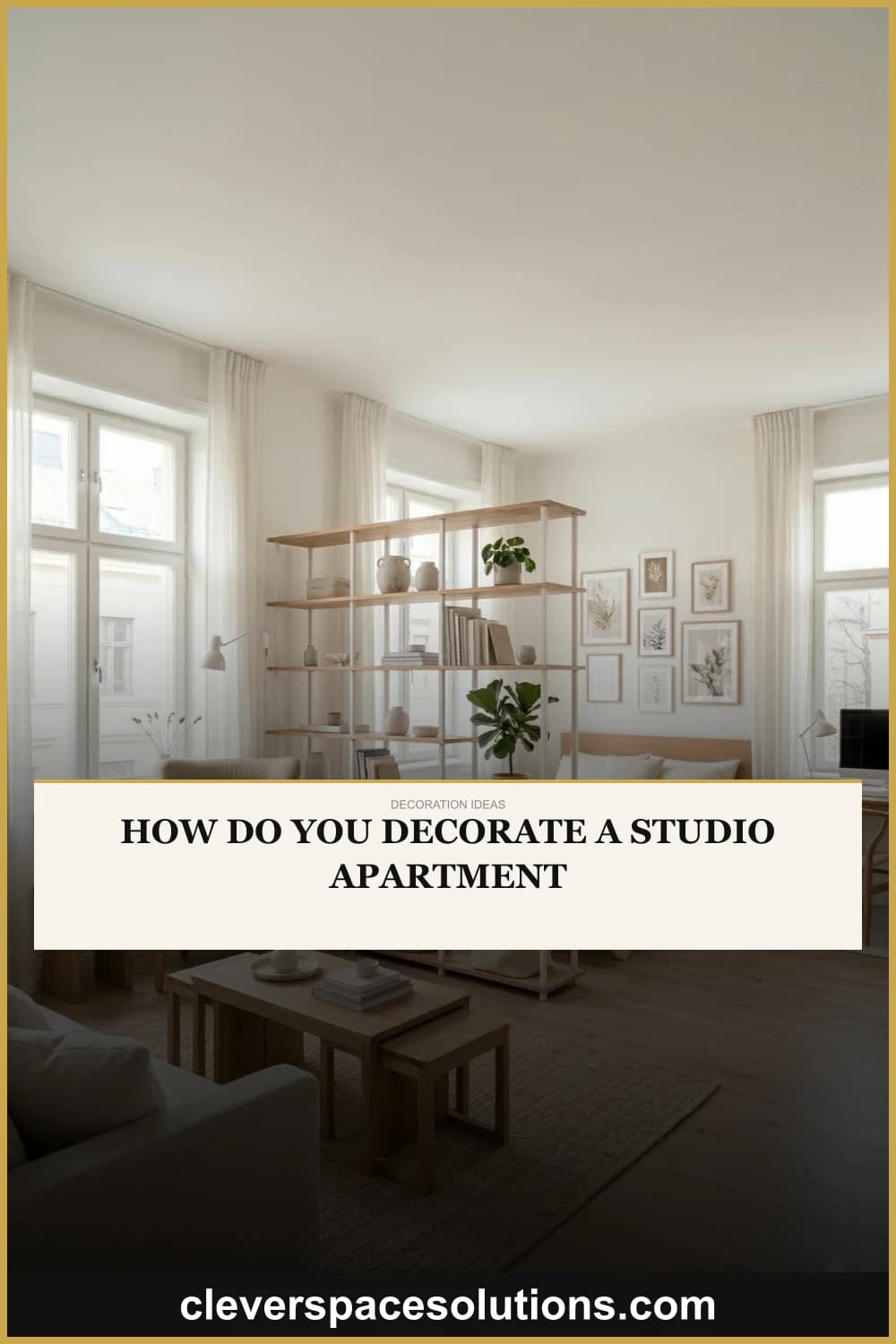
How Do You Decorate a Studio Apartment?
Wondering how to furnish your studio apartment without it feeling cramped? This ultimate guide answers your questions with smart ideas for zoning, furniture,...